 +61 401 458 166

Shoulder pain that worsens when you lift your arm, reach overhead, or lie on one side often has a clear mechanical reason behind it. One common cause we see in clinic is shoulder bursitis. While painkillers may ease discomfort temporarily, they do not address why the pain started in the first place. This is where Shoulder Bursitis Physiotherapy plays a key role in long-term recovery.
At Go Run Go physio, shoulder bursitis is treated by understanding how your shoulder moves, what overloads it, and how to restore movement safely rather than just calming pain.
What Is Shoulder Bursitis?
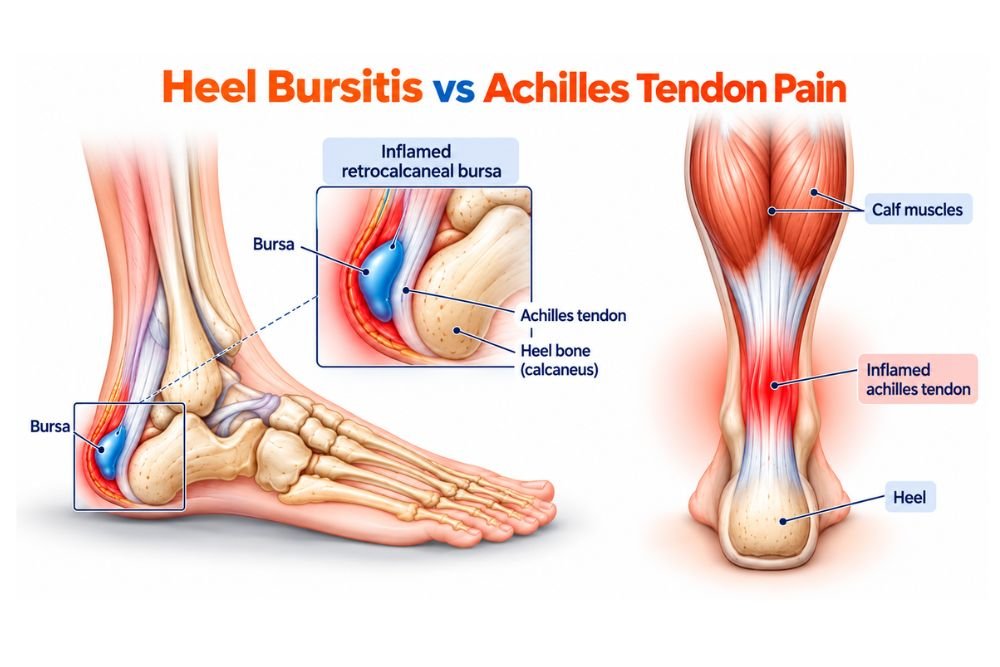
Inside your shoulder joint sits a small fluid-filled sac called a bursa. Its role is simple. It reduces friction between muscles, tendons, and bones during movement. Shoulder bursitis occurs when this sac becomes irritated and inflamed.
This inflammation usually develops when the shoulder is repeatedly compressed or overloaded. As swelling increases, normal movement becomes painful, especially during lifting or overhead tasks. Unlike muscle strain, bursitis pain often feels sharp during movement and aching at rest.
Common Shoulder Bursitis Symptoms
Recognising shoulder bursitis symptoms early can prevent long-term stiffness and weakness.
- Pain when lifting the arm sideways or overhead
- Sharp pain during movement and dull ache at rest
- Night pain, especially when lying on the affected side
- Reduced shoulder range of motion
- Weakness caused by pain inhibition
Night pain is particularly important. Inflammation increases joint pressure, making certain sleeping positions uncomfortable and often disturbing sleep.
Causes of Shoulder Bursitis Explained Simply
The causes of shoulder bursitis are usually mechanical rather than sudden.
Main Causes of Shoulder Bursitis
- Repetitive overhead movements
- Poor posture, especially prolonged desk work
- Sports or gym-related overuse
- Age-related shoulder changes
- Previous shoulder injury
Repetitive activity compresses the bursa repeatedly. Poor posture narrows the shoulder space, increasing friction. Weak stabilising muscles allow uncontrolled movement, further irritating the bursa. Over time, this combination leads to inflammation rather than sudden injury.
Why Shoulder Bursitis Physiotherapy Works
Shoulder bursitis physiotherapy focuses on both symptom relief and correcting the cause.
Rest alone may reduce pain temporarily but does not restore healthy movement. Physiotherapy begins with a detailed assessment of shoulder mobility, posture, and muscle control. Manual therapy helps reduce stiffness and improve joint movement, which lowers pressure on the bursa.
Targeted strengthening restores shoulder stability, preventing repeated irritation. Education ensures daily activities and exercise are resumed safely without overload.
How Shoulder Bursitis Treatment Physiotherapy Is Applied
Effective shoulder bursitis treatment physiotherapy follows a structured progression rather than aggressive treatment.
How Physiotherapy Helps Shoulder Bursitis
- Assess shoulder movement and posture
- Reduce inflammation and pain
- Restore pain-free range of motion
- Strengthen stabilising shoulder muscles
- Gradually return to work, sport, and exercise
Each phase builds tolerance while protecting healing tissue.
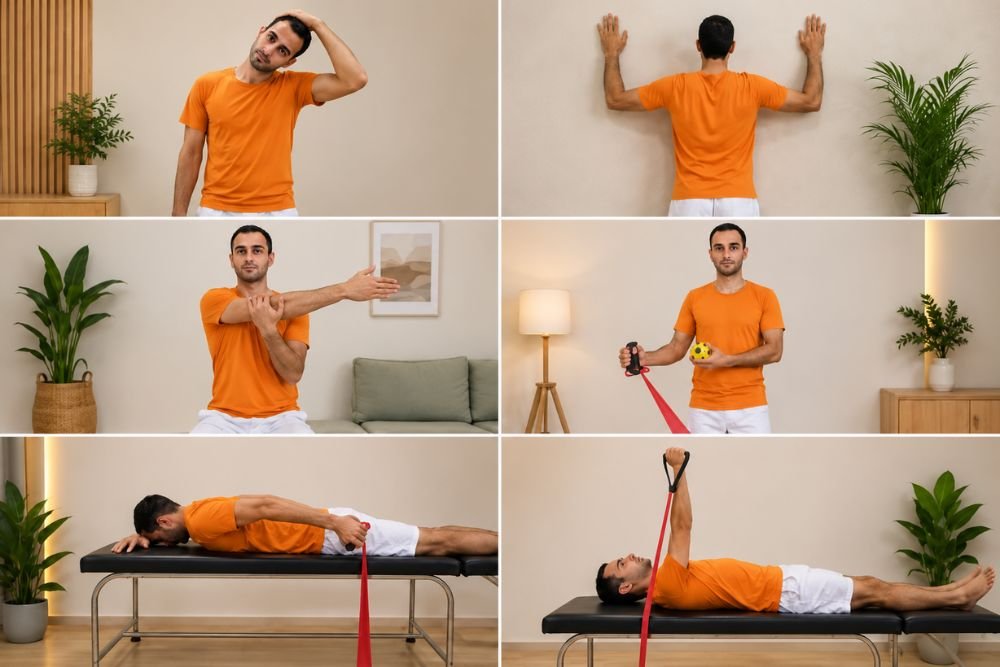
Exercises for Shoulder Bursitis
Correct exercises for shoulder bursitis improve movement quality rather than forcing strength early. Early exercises focus on gentle mobility and muscle activation to reduce stiffness. As pain settles, strengthening targets the rotator cuff and shoulder blade muscles. These muscles guide smooth arm movement and reduce joint compression.
Progression is gradual to avoid flare-ups.
Shoulder Bursitis Stretches: When to Use Them
Shoulder bursitis stretches are useful when stiffness contributes to joint compression. Stretching improves flexibility and joint space, but stretching into pain can worsen inflammation. Physiotherapists guide timing and technique so stretches support healing rather than irritate the shoulder.
Physiotherapy vs Other Treatment Options
| Treatment Option | What It Does | Long-Term Result |
| Pain medication | Reduces pain | Temporary relief |
| Cortisone injection | Reduces inflammation | Short-term benefit |
| Physiotherapy | Fixes movement cause | Long-term recovery |
Physiotherapy addresses why bursitis developed, not just the pain itself.
How Long Does Shoulder Bursitis Take to Heal?
Recovery depends on symptom duration, activity level, and consistency with treatment. Mild cases may improve within weeks, while long-standing bursitis may require several months of structured rehabilitation.
Early physiotherapy leads to faster recovery by preventing chronic inflammation and compensatory movement patterns.
When to See a Physiotherapist
You should seek physiotherapy if shoulder pain lasts more than two weeks, interferes with sleep, limits daily activity, or worsens over time. Early assessment prevents unnecessary scans and prolonged discomfort.
Why Choose Go Run Go physio
At Go Run Go physio, shoulder bursitis is assessed individually rather than treated with generic protocols. Treatment focuses on movement quality, functional goals, and long-term results, helping patients return confidently to daily life and sport.
Book Your Shoulder Assessment Today
If shoulder pain is affecting your work, exercise, or sleep, Go Run Go physio can assess the cause and guide you with the right treatment plan. Book your physiotherapy appointment today and start moving comfortably again.
FAQs
Q1. Can shoulder bursitis heal without physiotherapy?
Answer: Mild cases may settle with activity modification, but symptoms often return if movement issues remain. Physiotherapy reduces recurrence by correcting how the shoulder loads and moves. This approach supports lasting improvement rather than temporary relief.
Q2. Are exercises safe when shoulder bursitis is painful?
Answer: Yes, when prescribed correctly. Exercises are selected to reduce compression on the bursa while improving control. Pain guided exercise helps recovery by maintaining movement without aggravating inflammation.
Q3. How is shoulder bursitis different from rotator cuff injury?
Answer: Bursitis involves irritation of the bursa, while rotator cuff injuries affect tendon tissue. Symptoms often overlap because both structures work closely together. Physiotherapy assessment helps identify which movement patterns need correction regardless of the label.
Q4. Should imaging be done for shoulder bursitis?
Answer: Imaging is not always necessary. Many findings appear on scans even in pain free shoulders. Physiotherapy focuses on clinical assessment and functional movement, which often provides more useful guidance for treatment.
Q5. Can shoulder bursitis return after treatment?
Answer: Recurrence is less likely when strength, posture and movement habits improve. Ongoing exercise and load management help maintain shoulder health long term.