 +61 401 458 166

Heel pain can affect how you walk, stand, and move throughout the day. If you are searching for the best exercises for plantar fasciitis, you are likely dealing with sharp discomfort under the heel or along the arch. This guide explains safe, physio-led methods to reduce pain, improve mobility, and support long-term recovery using proven techniques.
At Go Run Go Physio, treatment focuses on practical solutions that fit into daily routines, whether you attend in-clinic sessions or use home physiotherapy services.
Understanding plantar fascia strain
The plantar fascia is a thick band of tissue running from your heel to your toes. It supports the arch and absorbs impact when you walk or run. When this tissue becomes irritated or overloaded, small tears can develop, leading to pain.
This condition often worsens in the morning or after long periods of rest. Many people describe a stabbing sensation when taking the first few steps.
Why movement-based care helps recovery
Rest alone rarely resolves this issue. The tissue responds better to gradual loading and controlled movement. That is why plantar fasciitis exercises physio recommended often include both stretching and strengthening.
Targeted movement can:
- Improve flexibility in the calf and foot
- Reduce tension on the plantar fascia
- Support better foot mechanics
- Lower the chance of recurrence
Causes of plantar fasciitis explained simply
Understanding the causes of plantar fasciitis helps you manage it more effectively.
Common triggers include:
- Tight calf muscles limiting ankle movement
- Poor footwear with minimal support
- Sudden increase in walking, running, or standing
- Flat feet or high arches
- Long hours on hard surfaces
In many cases, it develops gradually rather than from a single injury.
Early warning signs you should not ignore
Recognizing symptoms early can shorten recovery time.
Look out for:
- Sharp heel pain when getting out of bed
- Pain after sitting for long periods
- Discomfort that eases with movement but returns later
- Tenderness under the heel
- Tightness in the arch
If ignored, symptoms can become persistent and harder to manage.
Best Exercises for Plantar Fasciitis step by step
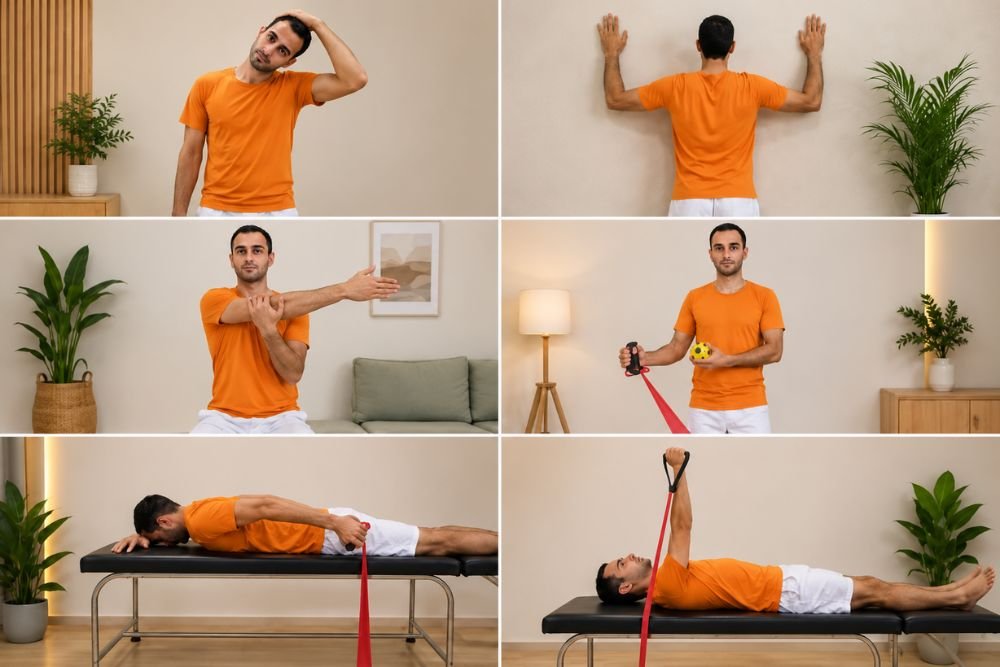
This section outlines plantar fasciitis treatment exercises step by step. These movements are commonly used in physiotherapy and can be performed safely at home.
Plantar fascia stretch
Sit down and cross one foot over the other knee. Gently pull your toes back towards your shin until you feel a stretch along the arch.
Hold for 20 to 30 seconds and repeat several times. This is one of the most effective arch pain treatment methods.
Calf stretch against wall
Stand facing a wall. Place one foot behind the other. Keep the back leg straight and press the heel into the ground.
Lean forward slightly until a stretch is felt in the calf. Hold for 30 seconds and repeat.
Tight calves are a major contributor to heel pain.
Towel curl strengthening
Place a towel on the floor and use your toes to scrunch it towards you.
This movement strengthens the small muscles in the foot that support the arch.
Heel raises
Stand upright and slowly lift your heels off the ground, then lower them back down.
Start with both feet, then progress to single-leg raises as strength improves.
Rolling massage with a ball
Use a tennis ball or frozen water bottle under your foot. Roll it slowly from heel to toes.
This can reduce tension and provide short-term pain relief.
Exercise progression table
| Stage | Focus | Example Movement | Frequency |
| Early stage | Pain relief | Plantar stretch | 2–3 times daily |
| Mid stage | Flexibility | Calf stretch | Daily |
| Strength stage | Support | Heel raises | 3–4 times weekly |
| Maintenance | Prevention | Foot strengthening | Ongoing |
Heel pain exercises at home for daily relief
If you prefer managing symptoms independently, these heel pain exercises at home can fit into your routine.
Short sessions in the morning and evening often produce better results than long sessions once a week.
Consistency matters more than intensity. Avoid pushing through sharp pain.
Stretching versus strengthening: what matters more
Both play an important role.
Stretching helps reduce tension and improve flexibility, while strengthening supports the arch and reduces strain on the fascia.
A balanced plan that includes both is the most effective way to manage symptoms and prevent recurrence.
Common mistakes that slow recovery
Many people unintentionally delay healing.
Watch out for:
- Doing too much too soon
- Ignoring footwear support
- Skipping strengthening work
- Relying only on rest
- Not addressing underlying causes
Correcting these habits can improve outcomes.
When to see a physiotherapist
If pain persists for more than two weeks or begins to affect daily activities, professional care is advisable.
A physiotherapist can assess movement patterns, identify contributing factors, and guide a structured plan using plantar fasciitis exercises physio recommended.
How Go Run Go Physio supports recovery
At Go Run Go Physio, treatment focuses on practical, evidence-based care designed to suit your lifestyle.
Support may include:
- Personalised exercise plans
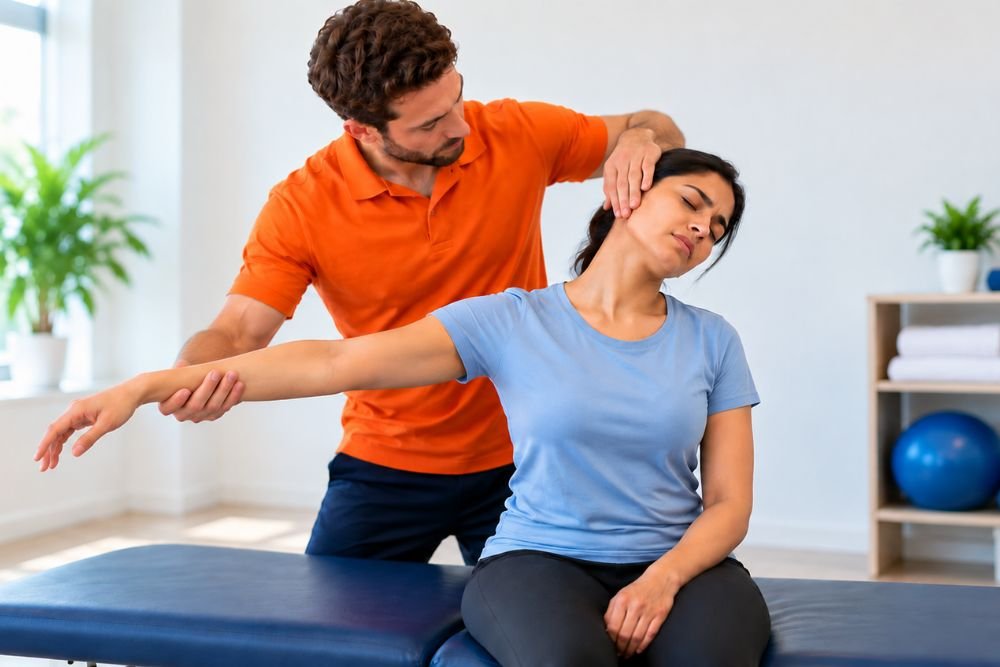
- Hands-on therapy
- Advice on footwear and load management
- Access to home physiotherapy services if needed
The aim is to reduce pain while improving long-term function.
Long-term prevention strategies
Once symptoms improve, ongoing care helps prevent recurrence.
Maintain:
- Regular calf and foot mobility work
- Gradual increases in activity
- Supportive footwear
- Strength training for the lower limb
This approach supports lasting relief.
Your Next Steps for Lasting Plantar Fasciitis Relief
Managing heel pain requires consistency, patience, and the right guidance. The Best Exercises for Plantar Fasciitis focus on restoring flexibility, building strength, and addressing underlying causes. With the right approach, most people return to normal activity without long-term issues.
If you are dealing with ongoing discomfort, Go Run Go Physio offers practical support to help you move comfortably again.
Frequently Asked Questions
Q1. How long does plantar fasciitis take to heal?
Answer: Recovery time varies. Mild cases may improve within a few weeks, while long-standing symptoms can take several months with consistent care.
Q2. Can I walk with plantar fasciitis?
Answer: Yes, but avoid long distances if pain increases. Controlled movement is helpful, but overloading the foot can delay recovery.
Q3. Are exercises enough to fix plantar fasciitis?
Answer: In many cases, structured plantar fasciitis treatment exercises step by step can reduce symptoms. Some people may also need manual therapy or footwear changes.
Q4. What is the fastest way to reduce heel pain?
Answer: A combination of stretching, strengthening, and load management offers the most reliable results. There is no instant fix, but consistent care works well.
Q5. Do I need a physiotherapist?
Answer: If symptoms persist or worsen, professional guidance can speed up recovery and prevent recurrence.
Q6. Can footwear affect plantar fasciitis?
Answer: Yes, shoes with poor support can increase strain on the plantar fascia. Supportive footwear is an important part of recovery.
Q7. Are home physiotherapy services effective?
Answer: Yes, home physiotherapy services can be helpful if you prefer treatment in your own space or have limited mobility.