 +61 401 458 166

Muscle tears are a common injury that can affect athletes, active individuals, and even people performing everyday activities. Whether it happens during sports, exercise, or sudden movement, a muscle tear can cause pain, swelling, and limited mobility.
Proper treatment is essential to ensure the muscle heals correctly and to prevent long-term complications. Physiotherapy plays a crucial role in safe and effective recovery from muscle injuries. At Go Run Go Physio, physiotherapists use evidence-based techniques to help patients reduce pain, restore movement, and return to their normal activities as quickly and safely as possible.
This guide explains how physiotherapists treat muscle tears and what you can expect during the recovery process.
What Is a Muscle Tear?
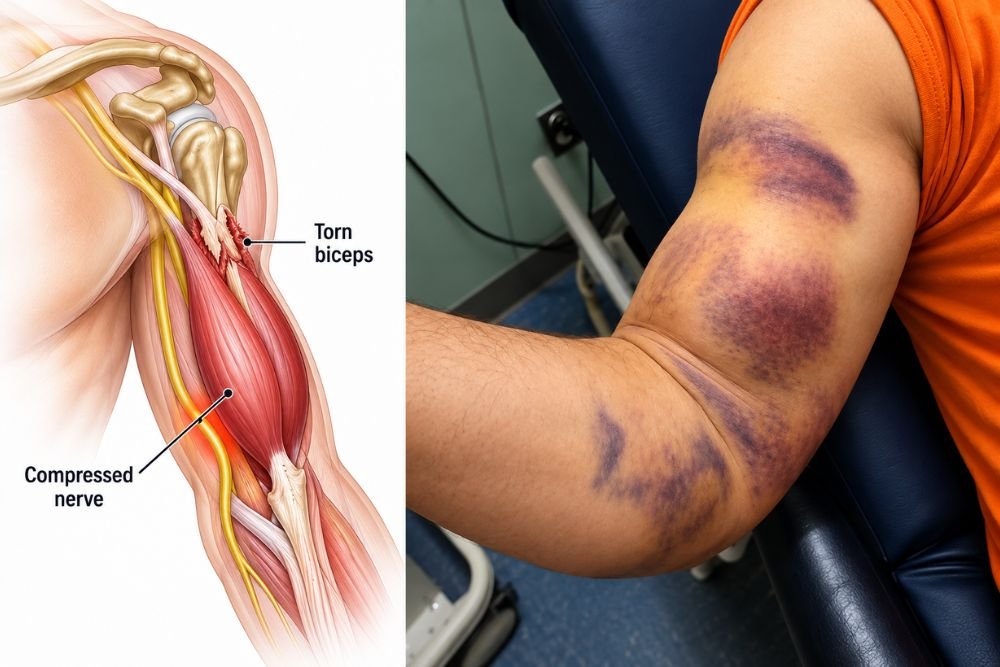
A muscle tear, sometimes referred to as a muscle strain, occurs when muscle fibers are overstretched or partially or completely torn. This injury often happens during sudden movements, heavy lifting, or high-intensity sports.
Muscle tears are typically classified into three grades:
Grade 1 (Mild): A small number of muscle fibers are damaged. Mild discomfort and stiffness may occur, but movement is still possible.
Grade 2 (Moderate): A larger portion of the muscle fibers are torn. Pain, swelling, and reduced strength are common.
Grade 3 (Severe): The muscle is completely torn. This type of injury usually requires extensive rehabilitation and sometimes medical intervention.
Early diagnosis and proper treatment are important to prevent further damage and support full recovery.
Common Causes of Muscle Tears
Muscle tears can occur for several reasons, especially when muscles are placed under excessive stress.
Some of the most common causes include:
- Sudden acceleration or changes in movement
- Overuse during sports or exercise
- Poor flexibility or inadequate warm-up
- Muscle fatigue
- Lifting heavy objects incorrectly
- Previous injuries that weaken muscle tissue
Athletes frequently experience muscle tears in the hamstrings, quadriceps, calves, and groin muscles. However, these injuries can affect anyone regardless of fitness level.
Symptoms of a Muscle Tear
Recognising the symptoms of a muscle tear early can help ensure timely treatment.
Common symptoms include:
- Sudden sharp pain during activity
- Swelling or inflammation
- Muscle weakness
- Difficulty moving the affected area
- Bruising around the injured muscle
- Tenderness when touching the area
In more severe cases, individuals may feel a popping sensation at the time of injury. If these symptoms occur, seeking professional assessment from a physiotherapist is recommended.
At Go Run Go Physio, physiotherapists conduct a thorough assessment to determine the severity of the injury and create a personalised treatment plan.
How Physiotherapy Helps Treat Muscle Tears
Physiotherapy focuses on promoting healing while restoring strength, flexibility, and function. Treatment typically progresses through several stages depending on the severity of the injury.
A physiotherapist will assess the injury, identify contributing factors, and guide the patient through a structured recovery program.
Key goals of physiotherapy include:
- Reducing pain and inflammation
- Supporting muscle healing
- Restoring normal movement
- Strengthening the affected muscle
- Preventing re-injury
Clinics such as Go Run Go Physio focus on personalised rehabilitation programs tailored to each patient’s activity level and recovery goals.
Physiotherapy Techniques for Muscle Tear Recovery
Physiotherapists use a combination of techniques to support recovery and improve muscle function.
Manual Therapy
Hands-on treatment techniques can help reduce muscle tension, improve circulation, and promote healing. Manual therapy may include soft tissue massage and joint mobilisation.
Therapeutic Exercises
A progressive exercise program is essential for rebuilding strength and flexibility. These exercises help restore normal muscle function and reduce the risk of future injury.
Stretching Programs
Gentle stretching improves flexibility and prevents stiffness during recovery. Stretching also helps maintain muscle length and mobility.
Strengthening Exercises
Once healing has progressed, strengthening exercises are introduced to rebuild muscle capacity and stability.
Education and Movement Correction
Physiotherapists also educate patients on proper movement techniques, posture, and injury prevention strategies.
At Go Run Go Physio, treatment plans are designed to support safe recovery while helping patients regain confidence in their movement.
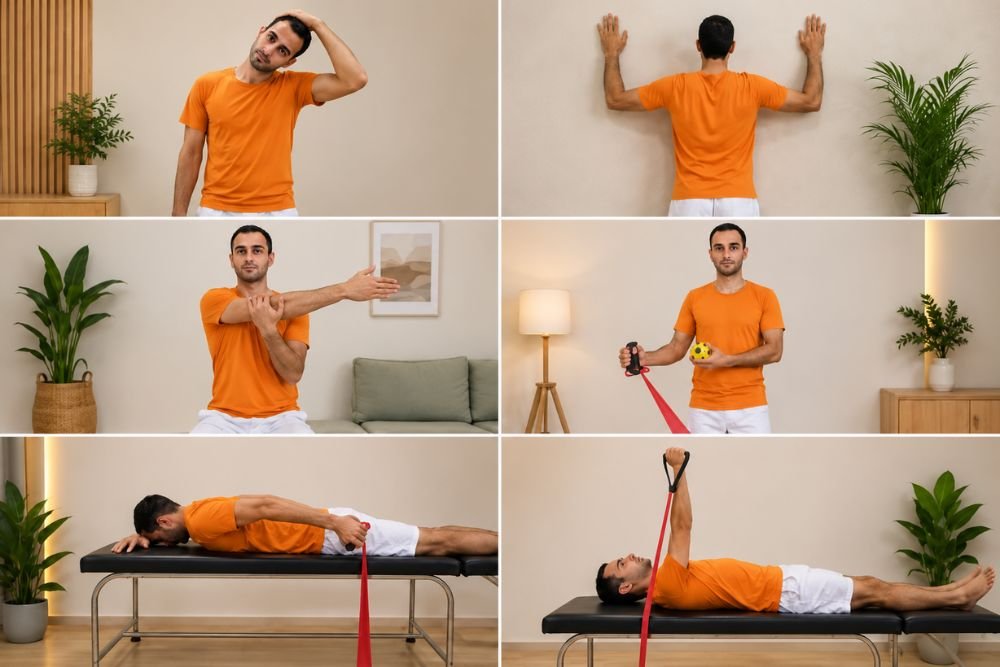
Exercises Used in Muscle Tear Rehabilitation
Exercise rehabilitation is a key component of physiotherapy treatment. The specific exercises prescribed will depend on the location and severity of the muscle tear.
Common rehabilitation exercises may include:
Isometric exercises
These exercises activate the muscle without significant movement, helping maintain strength during early recovery.
Gentle stretching
Controlled stretching helps restore flexibility and prevents muscle tightness.
Resistance training
Resistance bands or light weights are introduced gradually to rebuild muscle strength.
Functional movement training
These exercises mimic everyday activities or sports movements to prepare the body for a safe return to normal activity.
A physiotherapist will guide patients through each stage to ensure exercises are performed correctly and safely.
How Long Does a Muscle Tear Take to Heal?
Recovery time varies depending on the severity of the injury.
Typical healing timelines include:
- Grade 1 injuries: 1–3 weeks
- Grade 2 injuries: 4–8 weeks
- Grade 3 injuries: Several months with structured rehabilitation
Following a physiotherapy program can significantly improve recovery outcomes. Guided rehabilitation helps ensure the muscle heals properly while restoring strength and flexibility.
At Go Run Go Physio, physiotherapists monitor recovery progress and adjust treatment plans as needed to support optimal healing.
When Should You See a Physiotherapist?
Many people attempt to manage muscle injuries on their own, but professional assessment can make a significant difference in recovery.
You should consider seeing a physiotherapist if you experience:
- Persistent muscle pain
- Difficulty moving the affected area
- Swelling or bruising
- Weakness in the injured muscle
- Repeated muscle injuries
Early treatment can help prevent the injury from worsening and may reduce overall recovery time.
Preventing Future Muscle Injuries
After recovering from a muscle tear, prevention becomes an important part of staying active and injury-free.
Some key strategies include:
- Warming up properly before exercise
- Maintaining muscle flexibility
- Strengthening key muscle groups
- Gradually increasing training intensity
- Using proper movement techniques
- Allowing adequate rest between workouts
Physiotherapists often provide injury prevention advice tailored to each individual’s activities and lifestyle.
At Go Run Go Physio, the goal is not only to treat injuries but also to help patients build stronger, more resilient bodies that reduce the risk of future problems.
Muscle Tear Recovery with Physiotherapy
Muscle tears can disrupt daily activities and limit physical performance, but the right treatment approach can make a significant difference in recovery.
Physiotherapy provides a structured and evidence-based pathway for healing, combining hands-on therapy, rehabilitation exercises, and personalised guidance. With proper care, most people can return to their normal routines safely and confidently.
If you are experiencing symptoms of a muscle injury or want professional guidance for recovery, the team at Go Run Go Physio offers expert physiotherapy services focused on safe, effective rehabilitation and long-term movement health.
Frequently Asked Questions
Q1. Can physiotherapy help heal a muscle tear?
Answer: Yes, physiotherapy plays an important role in muscle tear recovery. A physiotherapist helps reduce pain, improve mobility, and guide patients through exercises that strengthen the injured muscle. Structured rehabilitation can help the muscle heal properly and reduce the risk of future injuries.
Q2. How long does it take for a muscle tear to heal with physiotherapy?
Answer: The recovery time depends on the severity of the injury. Mild muscle tears may heal within 1–3 weeks, while moderate tears can take 4–8 weeks. Severe muscle tears may require several months of rehabilitation. Physiotherapy helps speed up recovery by improving strength, flexibility, and circulation in the injured area.
Q3. What does a physiotherapist do for a muscle tear?
Answer: A physiotherapist assesses the injury and creates a personalised treatment plan. Treatment may include manual therapy, stretching, strengthening exercises, and rehabilitation programs designed to restore normal muscle function and prevent further injury.
Q4. Should you exercise with a muscle tear?
Answer: Light and guided exercises may be recommended during recovery, but intense activity should be avoided until the muscle has healed. A physiotherapist can prescribe safe rehabilitation exercises that promote healing without causing additional damage.
Q5. When should you see a physiotherapist for a muscle injury?
Answer: You should see a physiotherapist if you experience persistent muscle pain, swelling, bruising, or difficulty moving the affected area. Early treatment can improve recovery outcomes and help prevent the injury from worsening.