 +61 401 458 166
Carpal tunnel syndrome can begin with mild hand discomfort and slowly progress into persistent pain, weakness, and reduced hand function. Many people ignore the early signs because the symptoms often come and go. Over time, simple activities such as typing, driving, gripping objects, or sleeping comfortably may become difficult.
If you notice hand numbness, a tingling sensation, wrist discomfort, or carpal tunnel pain at night, it may be time to consider physiotherapy support. Early management often improves recovery and may reduce the chance of long term nerve irritation.
At Go Run Go Physio, physiotherapists work with people experiencing nerve compression symptoms affecting the wrist and hand. Treatment plans focus on reducing irritation, improving movement, and helping patients return to daily activities with less discomfort.
Why Carpal Tunnel Syndrome Develops
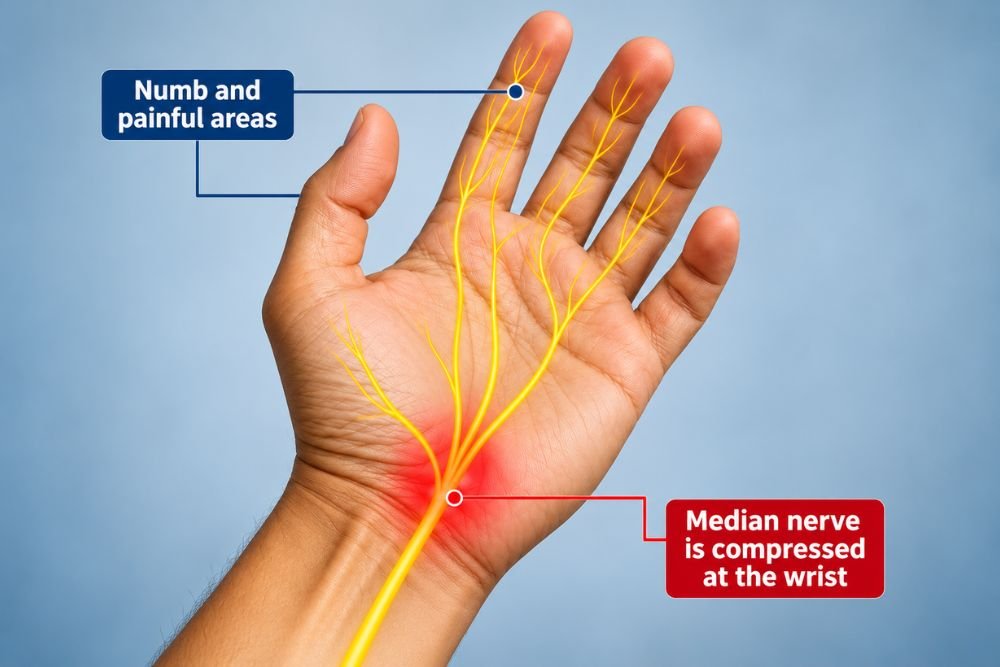
Carpal tunnel syndrome occurs when the median nerve becomes compressed while passing through a narrow space in the wrist called the carpal tunnel. This nerve controls feeling and movement in parts of the hand and fingers.
Pressure on the nerve may develop gradually. Repetitive hand movements, prolonged keyboard use, poor wrist positioning, arthritis, diabetes, and swelling around the wrist may contribute to symptoms.
Many people notice symptoms during work tasks or at night. Some wake up with numbness in fingers or a burning sensation in the hand. Others experience weakness while holding objects such as phones, cups, or tools.
The condition may affect one or both hands. Symptoms usually begin slowly but may become more frequent without proper care.
Early Signs People Often Ignore
Early carpal tunnel syndrome symptoms are often mild. Because symptoms may disappear during the day, people frequently delay treatment.
Common early symptoms include:
- Tingling sensation in the thumb, index finger, or middle finger
- Hand numbness after typing or gripping objects
- Wrist discomfort during repetitive tasks
- Reduced hand coordination
- Difficulty holding smaller objects
- Mild swelling sensation in the fingers
Ignoring early warning signs may allow nerve irritation to continue for months. Early physiotherapy support often improves hand function before symptoms become severe.
Symptoms That Suggest You Should See a Physio
Many people ask when to see a physiotherapist for carpal tunnel symptoms. The answer often depends on how long symptoms have been present and how much they affect daily activities.
You should consider physiotherapy if symptoms continue for more than a few weeks or begin affecting sleep, work, or hand strength.
One can make an appointment to consult a physiotherapist if there are the following symptoms:
| Symptom | Why It Matters |
| Hand numbness | May indicate ongoing nerve compression |
| Tingling sensation | Common sign of median nerve irritation |
| Carpal tunnel pain at night | Suggests wrist positioning may increase pressure |
| Weak grip strength | Can affect daily activities and work tasks |
| Dropping objects | May indicate reduced hand control |
| Wrist stiffness | Often linked with repetitive movement strain |
Some symptoms may progress slowly, while others become more noticeable during busy work periods.
People who work in office settings, trades, healthcare, childcare, hospitality, or manufacturing often place repeated strain on the wrist and hand muscles. Repetitive gripping or prolonged wrist bending may aggravate symptoms.
Physiotherapy assessment helps identify movement patterns and physical factors contributing to nerve compression.
Why Night Pain Should Not Be Ignored
Carpal tunnel pain at night is one of the most common complaints linked with this condition. Many people wake up with tingling fingers, aching wrists, or numb hands during sleep.
Night symptoms often happen because the wrist bends while sleeping. This position may increase pressure inside the carpal tunnel and irritate the median nerve further.
Persistent night pain may affect:
- Sleep quality
- Hand recovery
- Daily concentration
- Work performance
- Physical comfort during the day
Some people notice temporary relief after shaking their hands or changing sleeping position. While this may reduce symptoms briefly, recurring night pain usually indicates ongoing irritation.
Physiotherapists often assess sleeping posture, wrist alignment, and movement habits contributing to overnight symptoms.
Daily Activities That May Worsen Symptoms
Several everyday activities may place repeated stress on the wrist and hand structures.
These include:
- Typing for long periods
- Using a computer mouse continuously
- Repetitive lifting
- Driving for extended periods
- Using vibrating tools
- Heavy gripping tasks
- Mobile phone overuse
- Poor desk positioning
Some people also experience increased discomfort during fitness training, gardening, or household tasks involving repetitive gripping.
Understanding symptom triggers is an important part of hand physiotherapy treatment. Physiotherapists help identify movements contributing to irritation and provide practical ways to reduce stress on the nerve.
Physiotherapy Treatment Options For Hand And Wrist Pain
Physiotherapy for carpal tunnel focuses on reducing pressure around the nerve while improving movement and hand function.
Treatment plans vary depending on symptom severity and daily activity demands.
Hand physiotherapy treatment may include:
Manual Therapy
Hands on treatment may help improve wrist mobility and reduce soft tissue tension around the forearm and hand.
Nerve Gliding Movements
Gentle nerve movement techniques may help reduce sensitivity and improve nerve mobility within the wrist and arm.
Postural Correction
Poor shoulder and wrist positioning may increase strain through the arm. Physiotherapists often address desk setup, sitting posture, and repetitive movement habits.
Activity Modification
Patients may need temporary changes to work or home activities while symptoms settle.
Strength And Mobility Work
Targeted wrist and hand exercises may improve control and support around the affected area.
Wrist Splint Advice
Some people benefit from wearing a wrist splint at night to keep the wrist in a neutral position during sleep.
Early physiotherapy care often provides better outcomes than waiting until symptoms become severe.
Wrist Stretches For Carpal Tunnel Syndrome
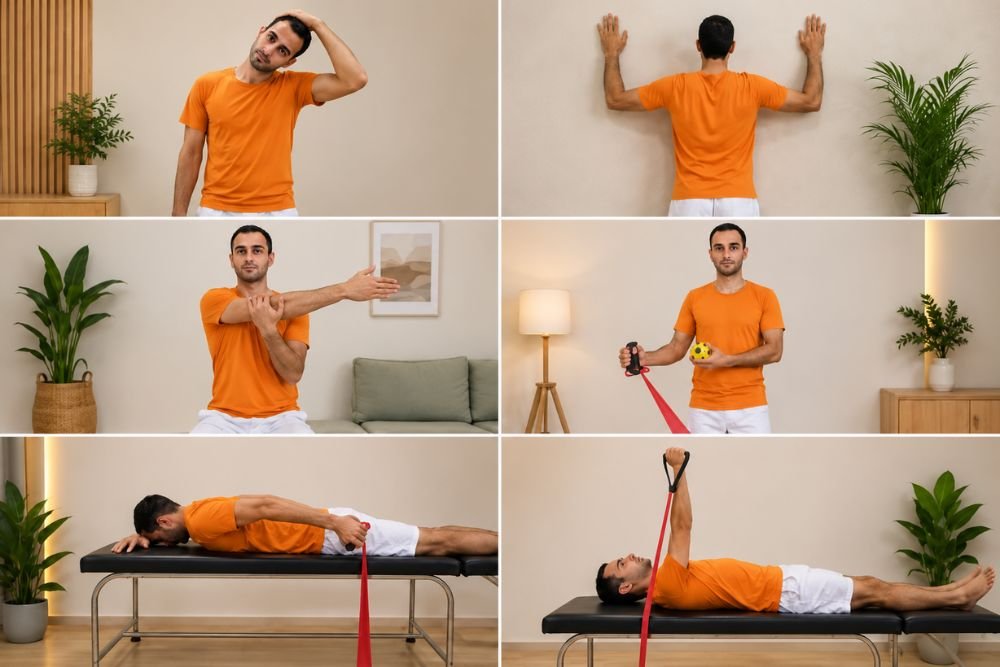
Wrist stretches for carpal tunnel syndrome may help reduce stiffness and improve mobility when performed correctly. Exercises should remain gentle and should not increase numbness or sharp pain.
Common physiotherapy guided stretches may include wrist flexor stretches, tendon gliding movements, and forearm mobility work.
People often make the mistake of stretching aggressively while the nerve remains irritated. This may increase discomfort rather than improve symptoms.
A physiotherapist helps determine:
- Which stretches are suitable
- How often they should be performed
- Which movements should be avoided
- When strengthening should begin
Exercise selection depends on symptom severity, work demands, and nerve sensitivity.
Home Physiotherapy Services For Wrist Conditions
Some people find travelling difficult due to pain, work commitments, recovery limitations, or mobility concerns. Home physiotherapy services may provide a more practical option for ongoing care.
Home based physiotherapy allows assessment of:
- Workstation setup
- Daily movement habits
- Home activity demands
- Sleeping positions
- Ergonomic concerns
This approach may help physiotherapists provide more personalised guidance linked directly to the patient’s environment.
Go Run Go Physio provides support for people managing wrist pain, nerve compression symptoms, and reduced hand function through structured physiotherapy care plans.
Knowing When Hand Symptoms Need Professional Support
Carpal tunnel syndrome often begins gradually, but symptoms may become more disruptive over time if ignored. Tingling sensation, hand numbness, wrist discomfort, and night pain are common warning signs linked with nerve compression.
Early physiotherapy assessment may help reduce irritation, improve hand function, and support long term recovery. Understanding symptom triggers and making practical movement changes often plays an important part in treatment.
Go Run Go Physio provides physiotherapy support for people experiencing wrist pain, hand discomfort, and nerve related symptoms affecting daily life.
Frequently Asked Questions
Q1. Can carpal tunnel syndrome go away without treatment?
Answer: Mild symptoms sometimes improve with rest and activity changes. Persistent symptoms often require assessment to prevent worsening nerve irritation.
Q2. When should I see a physiotherapist for carpal tunnel?
Answer: You should consider physiotherapy if symptoms continue for several weeks, disturb sleep, reduce grip strength, or interfere with work and daily activities.
Q3. Is hand numbness always caused by Carpal Tunnel Syndrome?
Answer: No. Hand numbness may also relate to neck conditions, circulation problems, arthritis, or other nerve related issues. Assessment helps identify the source.
Q4. Why is carpal tunnel pain worse at night?
Answer: Sleeping with bent wrists may increase pressure inside the carpal tunnel, leading to increased nerve irritation during the night.
Q5. Can physiotherapy help avoid surgery?
Answer: Many people improve with physiotherapy, activity changes, and wrist support. Severe nerve compression may still require surgical review in some cases.
Q6. Are wrist stretches safe for everyone?
Answer: Not always. Some stretches may aggravate symptoms if performed incorrectly. Physiotherapy guidance helps determine suitable movements.
Q7. How long does recovery usually take?
Answer: Recovery time varies depending on symptom severity, work demands, and how early treatment begins. Mild cases may improve within weeks, while persistent cases may take longer.