 +61 401 458 166
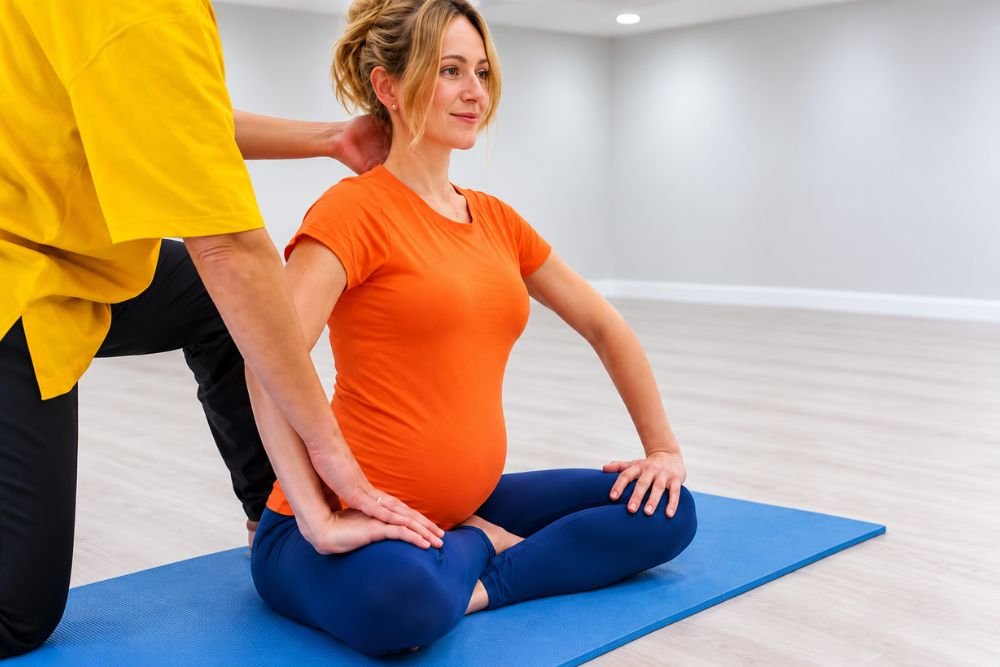
Pregnancy is an exciting journey, but it also brings significant physical changes that can affect your comfort, mobility, and daily activities. As your body adapts to support your growing baby, it is common to experience aches, pains and changes in posture. Physiotherapy during pregnancy provides safe, evidence-based care to help manage these changes, reduce discomfort and support your wellbeing throughout every stage of pregnancy.
Whether you are experiencing lower back pain, pelvic discomfort, or simply want to stay active, a personalised physiotherapy programme can help you move with greater confidence while preparing your body for childbirth and recovery.
Why Physiotherapy During Pregnancy Matters
Pregnancy places additional demands on your muscles, joints, and ligaments. Hormonal changes increase joint flexibility, while your growing baby gradually shifts your centre of gravity. These natural changes can contribute to symptoms such as lower back pain, pelvic girdle pain, hip discomfort, and muscle tightness.
A qualified physiotherapist can assess your individual needs and develop a treatment plan that is appropriate for your stage of pregnancy. This may include hands-on treatment, posture advice, gentle exercises and movement strategies designed to improve comfort and maintain mobility.
Early physiotherapy can also help prevent minor discomfort from developing into more persistent pain as your pregnancy progresses.
First Trimester – Building a Strong Foundation
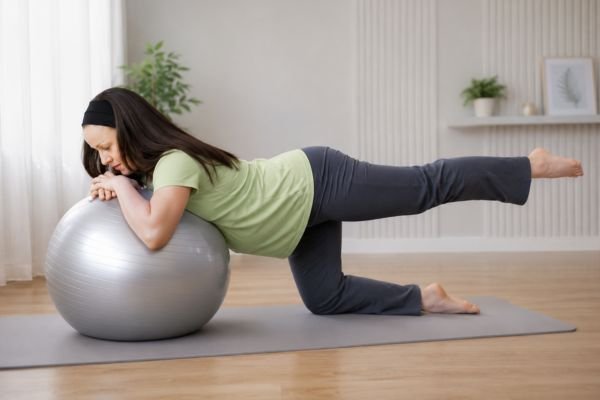
During the first trimester, many women experience fatigue, postural changes and muscle tension, even before their pregnancy becomes physically noticeable. Beginning physiotherapy early can establish healthy movement patterns that support your body throughout the months ahead.
Your physiotherapist may recommend:
- Gentle pregnancy-safe exercises
- Postural education for daily activities
- Breathing and relaxation techniques
- Core stability exercises suitable for pregnancy
- Advice on maintaining an active lifestyle
These simple strategies can help reduce unnecessary strain on your muscles while promoting better movement throughout pregnancy.
Second Trimester – Supporting a Changing Body
As your baby grows, the second trimester often brings more noticeable physical changes. Many women begin to experience lower back pain, pelvic girdle pain, hip pain and changes in balance due to the additional weight and altered posture.
Physiotherapy during this stage focuses on improving mobility while reducing discomfort through personalised treatment.
Your treatment may include:
- Manual therapy to relieve muscle and joint stiffness
- Strengthening exercises to support the pelvis and lower back
- Gentle stretching to improve flexibility
- Advice on walking, lifting and sleeping positions
- Exercises to improve stability and balance
Receiving treatment early can make everyday activities such as walking, climbing stairs and getting in and out of bed more comfortable, allowing you to remain active throughout pregnancy.
Third Trimester – Preparing for Labour and Recovery
The final trimester places the greatest physical demands on your body. As your baby continues to grow, many women experience increased pelvic pressure, lower back pain and reduced mobility.
Physiotherapy during the third trimester helps prepare your body for labour while supporting your comfort in the weeks leading up to birth.
Treatment may include:
- Pelvic floor muscle training
- Breathing techniques to support labour
- Gentle mobility exercises
- Advice on comfortable resting and sleeping positions
- Movement strategies to manage everyday activities safely
Your physiotherapist will tailor every exercise to your individual needs, helping you remain as comfortable and confident as possible before your baby’s arrival.
Is Physiotherapy Safe During Pregnancy?
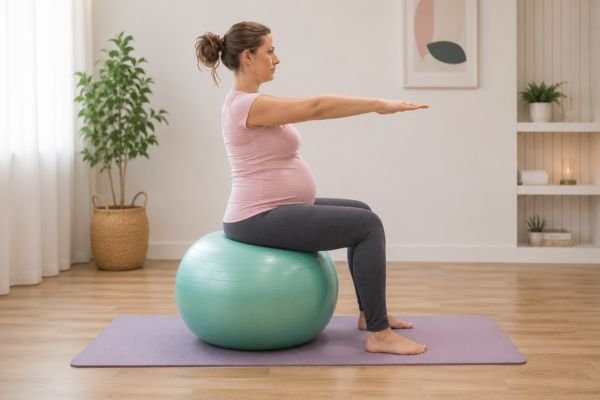
Yes. Physiotherapy is generally considered safe throughout pregnancy when provided by a qualified physiotherapist with experience in pregnancy care.
Every assessment begins with a thorough understanding of your medical history, pregnancy stage and current symptoms. Treatment techniques and exercises are carefully adapted to suit your changing body and individual circumstances.
If required, your physiotherapist may also work alongside your GP, obstetrician or midwife to ensure your care remains safe and appropriate.
How Go Run Go Physio Supports You Throughout Pregnancy
At Go Run Go Physio, we understand that travelling to appointments can become increasingly challenging during pregnancy. Our mobile physiotherapy service allows you to receive professional care in the comfort and privacy of your own home.
Our physiotherapists provide personalised assessments and evidence-based treatment plans designed to help you:
- Reduce pregnancy-related pain
- Improve mobility and flexibility
- Manage pelvic and lower back discomfort
- Stay active throughout pregnancy
- Prepare your body for labour and postnatal recovery
By delivering treatment in your home environment, we can also provide practical advice tailored to your daily routine, helping you move more comfortably and confidently throughout your pregnancy.
Supporting a Comfortable and Healthy Pregnancy
Every pregnancy is unique, and the physical changes you experience can vary from one trimester to the next. Seeking physiotherapy early can help you manage discomfort, maintain mobility and continue enjoying your daily activities with greater confidence.
If you are experiencing pregnancy-related aches, pelvic pain or lower back discomfort, Go Run Go Physio provides professional mobile pregnancy physiotherapy delivered in the comfort of your home. Our personalised approach focuses on supporting your health, movement and wellbeing throughout every stage of pregnancy, helping you feel your best before and after your baby’s arrival.
FAQs
Q1. Can physiotherapy help with pregnancy-related back pain?
Answer: Yes. Physiotherapy can help reduce lower back pain through personalised exercises manual therapy, posture advice and movement education tailored to your stage of pregnancy.
Q2. When should I start physiotherapy during pregnancy?
Answer: You can begin physiotherapy at any stage of pregnancy. Many women benefit from starting early to improve posture, prevent discomfort and maintain mobility as their pregnancy progresses.
Q3. Is it safe to exercise during pregnancy with a physiotherapist?
Answer: Yes. A qualified physiotherapist can prescribe pregnancy-safe exercises based on your individual health, trimester and activity level.
Q4. Can physiotherapy help with pelvic girdle pain during pregnancy?
Answer: Yes. Physiotherapy is commonly used to manage pelvic girdle pain through targeted exercises, manual therapy and advice on everyday movement strategies.
Q5. Does Go Run Go Physio offer physiotherapy during pregnancy at home?
Answer: Yes. Go Run Go Physio offers professional mobile physiotherapy services, allowing you to receive personalised pregnancy care in the comfort of your own home.