 +61 401 458 166

A neck injury after sport or a fall can range from a mild muscle strain to a more serious injury affecting the cervical spine. Neck pain and stiffness may develop after a sudden movement, collision, or impact, making it important to understand your symptoms and recovery options.
Knowing which warning signs to look out for, when to seek medical advice, and how physiotherapy may support recovery can help you make informed decisions about your health.
What Causes a Neck Injury After Sport or a Fall?
A neck injury can occur when the head or neck experiences sudden movement, twisting or direct impact. Contact sports, cycling accidents, gym activities and everyday falls can all place stress on the neck.
Common causes include collisions during rugby or football, falls while running, and sudden forward-and-backward head movements associated with whiplash. These incidents may affect the muscles, ligaments or other structures supporting the cervical spine.
Although many neck injuries involve soft tissues, the mechanism of injury alone cannot determine its severity. A significant fall or direct impact to the head or neck should always be treated with caution.
Common Neck Injury Symptoms to Look Out For
Neck injury symptoms vary depending on the cause and severity. Some people experience discomfort immediately, while others notice symptoms developing over the following hours or days.
Common symptoms include neck pain, stiffness, muscle tenderness, headaches and difficulty moving the head comfortably. Pain may also extend towards the shoulders or upper back.
However, symptoms should not be judged by pain intensity alone. A seemingly manageable injury can still require medical assessment, particularly after significant trauma. New, persistent or worsening symptoms should not be ignored.
Neck Injury Warning Signs: Symptoms You Should Not Ignore
A neck injury after sport or a fall can cause symptoms ranging from mild stiffness to more significant discomfort. Understanding these symptoms can help you decide when to seek professional medical advice and what steps to take during recovery.
Common warning signs include persistent or worsening neck pain, restricted movement, headaches, tingling or numbness in the arms or hands, and weakness. Symptoms that develop after a significant impact should be assessed by a healthcare professional.
If you experience severe neck pain following an injury, new weakness, numbness, difficulty walking or changes in bladder or bowel control, seek immediate medical assessment. Avoid unnecessary neck movement, stretching or massage if a serious injury is suspected.
Paying attention to changes in your symptoms and seeking appropriate advice can help you take the right steps towards recovery. A healthcare professional can assess the injury and determine whether further investigation or treatment is needed.
What Should You Do Immediately After a Neck Injury?
Your first priority after a neck injury is to protect yourself from further harm. Stop the activity immediately and avoid movements that could aggravate the injury.
If a serious neck or spinal injury is suspected, minimise unnecessary movement and seek emergency medical assistance. Do not attempt neck stretches, massage or manipulation, and do not try to test how far the neck can move.
If the injury appears less severe, arrange an appropriate assessment if pain persists, movement is restricted or you are concerned about your symptoms. Avoid returning to sport or heavy exercise until it is safe to do so.
Early assessment can help identify injuries that need specific treatment and guide an appropriate recovery plan.
How Is a Neck Injury Assessed and Treated?
A healthcare professional will consider how the injury occurred, your symptoms and relevant clinical findings. Depending on the circumstances, the assessment may include a neurological examination and imaging, such as an X-ray or CT scan, if a significant cervical spine injury is suspected.
Treatment depends on the diagnosis. Minor soft-tissue injuries may be managed differently from fractures, significant ligament injuries or injuries involving the spinal cord.
Once a serious injury has been excluded and the patient is suitable for rehabilitation, an individualised treatment plan can help improve function, restore comfortable movement and support recovery.
When Can Physiotherapy Help After a Neck Injury?
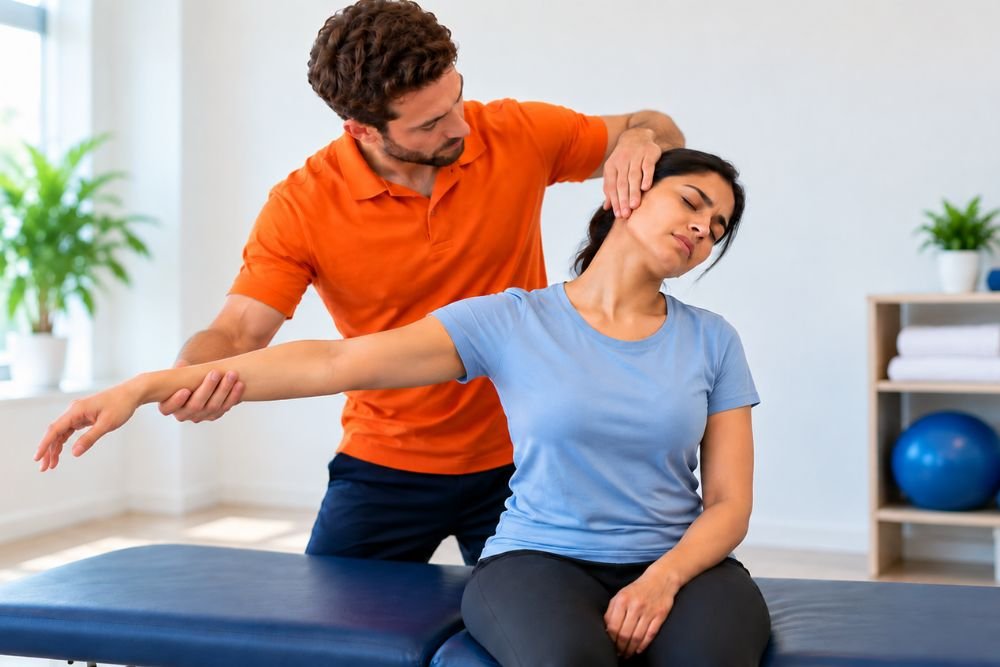
Physiotherapy for neck pain may be beneficial following an appropriately assessed soft-tissue injury. A physiotherapist can assess neck movement, muscle strength and functional limitations to help determine a suitable rehabilitation plan.
Depending on your injury and symptoms, treatment may include individualised exercises, movement guidance, progressive strengthening, and a gradual return-to-sport program. The aim is to improve comfortable movement, restore function and help you return to everyday activities safely.
At Go Run Go Physio, physiotherapy may help support recovery through an individualised approach to neck injury rehabilitation. If you have experienced a fall or sporting collision, ensure that any potentially serious injury has been medically assessed before beginning rehabilitation.
Physiotherapy is not a substitute for medical assessment when concerning symptoms are present. Your treatment should always be tailored to your diagnosis, recovery needs and functional goals.
How Long Does It Take to Recover From a Neck Injury?
Neck injury recovery time depends on the type and severity of the injury, as well as individual health factors. Minor muscle strains may improve over days or weeks, while more significant injuries can require a longer recovery period.
Avoid rushing back into sport, heavy lifting or strenuous exercise. Return to activity should be guided by symptom improvement, functional recovery and appropriate clinical advice.
If symptoms worsen, new symptoms develop or recovery is not progressing as expected, seek further medical assessment.
Get the Right Support for Your Neck Injury
A neck injury after sport or a fall should not be dismissed when symptoms are concerning. Recognising warning signs, seeking appropriate medical advice and following an individualised recovery plan can help you return to your usual activities safely.
Once a serious neck injury has been ruled out, a physiotherapist can assess your neck movement, muscle strength and functional limitations to help determine an appropriate rehabilitation plan. At Go Run Go Physio, physiotherapy may help support recovery through individualised exercises, movement guidance and a gradual return to everyday activities or sport, depending on your injury and symptoms.
Frequently Asked Questions About Neck Injuries
Q1. Can neck injury symptoms appear hours after a fall?
Answer: Yes. Some symptoms may develop gradually over several hours or days. However, delayed symptoms do not rule out a serious injury. Seek medical assessment after significant trauma, particularly if new or worsening symptoms develop.
Q2. Should I sleep after hurting my neck?
Answer: Rest may be appropriate after a minor injury, but it should not delay assessment when a serious injury is suspected. Avoid unnecessary movement following suspected spinal trauma and seek medical advice about appropriate care.
Q3. Is it safe to massage a neck injury after a fall?
Answer: Not until a serious injury has been excluded. Massage and neck manipulation may be inappropriate after trauma. A qualified healthcare professional can advise whether soft-tissue treatment is suitable once the injury has been assessed.
Q4. Can I drive with neck pain after a sports injury?
Answer: Driving may be unsafe if pain limits your head movement or ability to check blind spots. Do not drive if you experience dizziness, weakness or altered sensation. Seek medical advice if you are unsure whether driving is safe.
Q5. Can a neck injury cause headaches or shoulder pain?
Answer: Yes. Some neck injuries can cause headaches or discomfort extending into the shoulders. However, a headache after a fall may also indicate a head injury. Seek prompt medical assessment for concerning symptoms such as confusion, repeated vomiting or unusual drowsiness.
Q6. When can I return to the gym after a neck injury?
Answer: Return to the gym when the injury has been appropriately assessed and your symptoms and function allow a safe progression. More significant injuries may require medical clearance. Avoid heavy lifting and activities that aggravate your symptoms until you receive appropriate advice.