
 +61 401 458 166

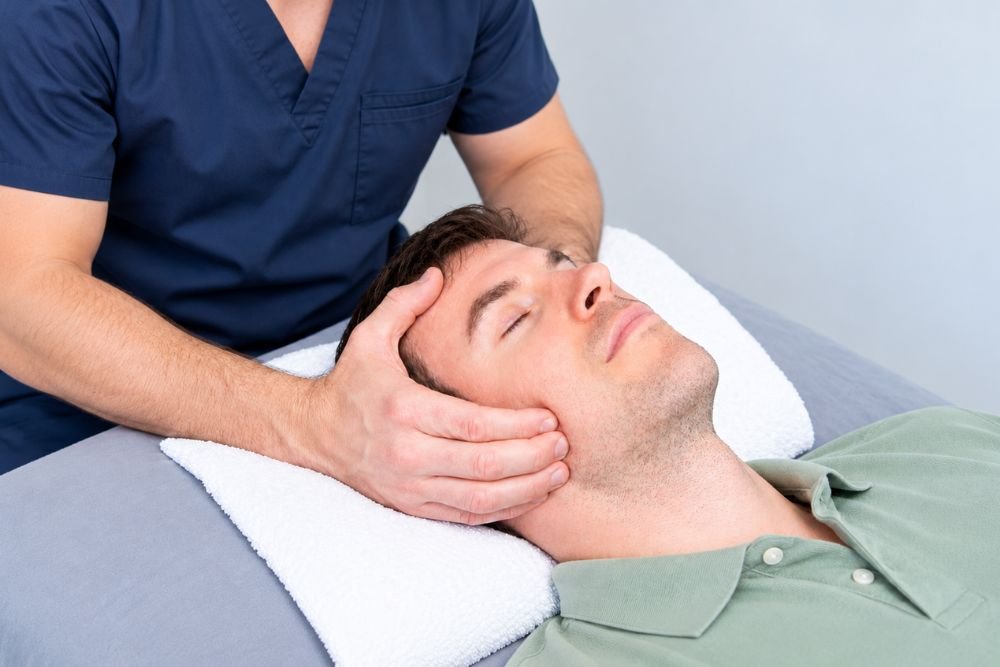
Jaw pain, clicking, tightness, or recurring headaches can make everyday activities such as eating, speaking, and yawning uncomfortable. These symptoms may be associated with temporomandibular disorders (TMD), which affect the jaw joints and surrounding muscles. TMJ physiotherapy may help reduce pain, improve jaw movement, and manage muscle tension, depending on the underlying cause.
What Is TMJ Dysfunction, and Why Does Your Jaw Hurt?
The temporomandibular joints (TMJs) connect your lower jaw to your skull, allowing you to open your mouth, chew, and speak. Temporomandibular disorders (TMD) can affect these joints, the surrounding muscles, or both.
Common symptoms include jaw pain, clicking, stiffness, difficulty opening your mouth, and discomfort when chewing. Clenching your teeth and grinding them during sleep, stress, and muscle tension may contribute to symptoms in some people.
However, jaw clicking without pain is common and does not always require treatment. Persistent pain or restricted movement deserves closer assessment to identify the possible cause.
Can TMJ Physiotherapy Help with Clicking, Tension, and Headaches?
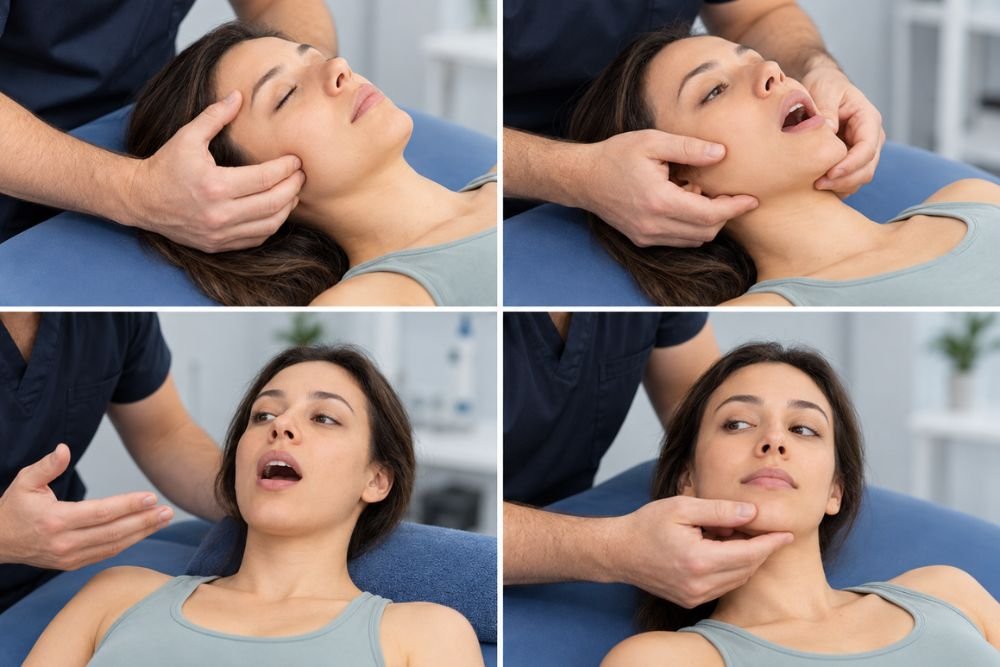
Yes, physiotherapy may help people experiencing jaw pain, muscle tension, and restricted movement associated with TMD. Treatment aims to improve comfortable movement, reduce symptoms, and help you manage activities that aggravate your jaw.
Jaw Clicking and Restricted Movement
Jaw clicking may occur when structures within the joint move during opening and closing. If clicking is accompanied by pain, locking, or difficulty opening your mouth, a physiotherapist can assess your jaw movement and determine whether treatment may help.
Physiotherapy cannot guarantee that every clicking sound will disappear, particularly when the cause relates to joint mechanics rather than muscle tension.
Jaw Tension, Clenching, and Headaches
Tight or overworked jaw muscles can contribute to facial discomfort and pain around the temples. Some people with TMD also experience headaches associated with jaw movement or muscle tenderness.
Physiotherapy may help address contributing muscle tension and movement difficulties. However, headaches have several possible causes, so persistent, severe or unusual headaches should not automatically be attributed to the jaw.
What Does Jaw Pain Physiotherapy Treatment Involve?
Effective jaw pain physiotherapy begins with an individual assessment. Your physiotherapist may ask about your symptoms, teeth grinding, chewing difficulties, and headache patterns before examining your jaw movement, muscle tenderness, and relevant neck function.
Jaw Assessment and Movement Analysis
The assessment helps identify painful movements, restrictions, and activities that aggravate your symptoms. This information guides an appropriate treatment plan.
Manual Therapy and Jaw Exercises
Depending on your presentation, treatment may include gentle manual therapy, jaw mobility exercises, muscle relaxation techniques, and exercises to improve movement control. These approaches aim to improve comfort and function rather than force the jaw through painful movements.
Education and Habit Management
Your physiotherapist may recommend reducing unnecessary clenching, avoiding excessive gum chewing and temporarily choosing softer foods during painful flare-ups. Treatment can also include strategies to recognise jaw tension and maintain a more relaxed resting position.
What Can You Do at Home to Relieve Jaw Pain?
Simple changes may help manage mild jaw discomfort. Avoid repeatedly testing your jaw click, opening your mouth excessively, or forcing stretches that increase pain. Temporarily avoid foods that require excessive chewing if they aggravate your symptoms.
A warm compress may help ease muscle discomfort for some people. Try to keep your jaw relaxed when you are not eating or speaking, without deliberately holding your teeth together.
TMJ exercises should suit your symptoms and the underlying cause. If your pain persists, your jaw locks, or your movement becomes increasingly restricted, seek professional assessment rather than relying on home remedies alone.
When Should You See a Physiotherapist for Jaw Pain?
Consider seeing a physiotherapist if jaw pain persists, chewing becomes uncomfortable, movement is restricted, or symptoms interfere with everyday activities. An assessment can help establish whether physiotherapy is appropriate or whether you need input from a dentist or doctor.
Seek urgent medical attention for a sudden severe headache, significant facial swelling with fever, recent serious facial trauma, or difficulty swallowing or breathing. A jaw that becomes locked open or shut also requires prompt assessment.
Get Help for Jaw Pain with Go Run Go Physio
Living with jaw pain, clicking, or persistent tension can be frustrating, but the right assessment can help you understand your options. Go Run Go Physio offers physiotherapy services, including home physiotherapy where available, to help people access appropriate care.
If jaw discomfort is affecting your daily life, contact Go Run Go Physio to discuss your symptoms and whether a physiotherapy assessment may be suitable for you.
Frequently Asked Questions
Q1. Can physiotherapy fix a clicking jaw?
Answer: Physiotherapy may help when clicking is associated with pain, restricted movement, or muscle dysfunction. However, painless clicking does not always need treatment, and not every click can or should be eliminated.
Q2. Can TMJ cause headaches?
Answer: TMD can contribute to headaches, particularly when jaw muscle pain or tenderness is involved. However, headaches have many possible causes. Seek medical advice if headaches persist, worsen or have unusual features.
Q3. Which exercises are best for TMJ pain?
Answer: Suitable exercises depend on your symptoms and the cause of your jaw pain. Gentle mobility, relaxation, and movement-control exercises may be recommended after assessment. Avoid forcing your jaw through pain.
Q4. Can a physiotherapist treat jaw pain at home?
Answer: Yes. Where home visits are available, a physiotherapist can assess your symptoms and provide suitable treatment and advice in your home. This may be helpful if travelling to a clinic is difficult.