 +61 401 458 166

Upper arm pain can make everyday activities such as reaching, lifting, exercising, or sleeping uncomfortable. The cause is not always a problem with the upper-arm muscles themselves. Pain can sometimes come from the shoulder, neck, tendons, joints or nerves.
Understanding what may be causing your symptoms can help you know when self-management may be appropriate and when professional assessment is recommended.
What Does Upper Arm Pain Feel Like?
Upper arm pain can feel different depending on its cause. Some people describe a dull ache, while others experience sharp pain, stiffness, tenderness or discomfort when moving the arm.
You may notice pain in the upper arm when lifting, reaching overhead, carrying an object or performing repetitive movements. Some people also experience symptoms at night or when lying on the affected side.
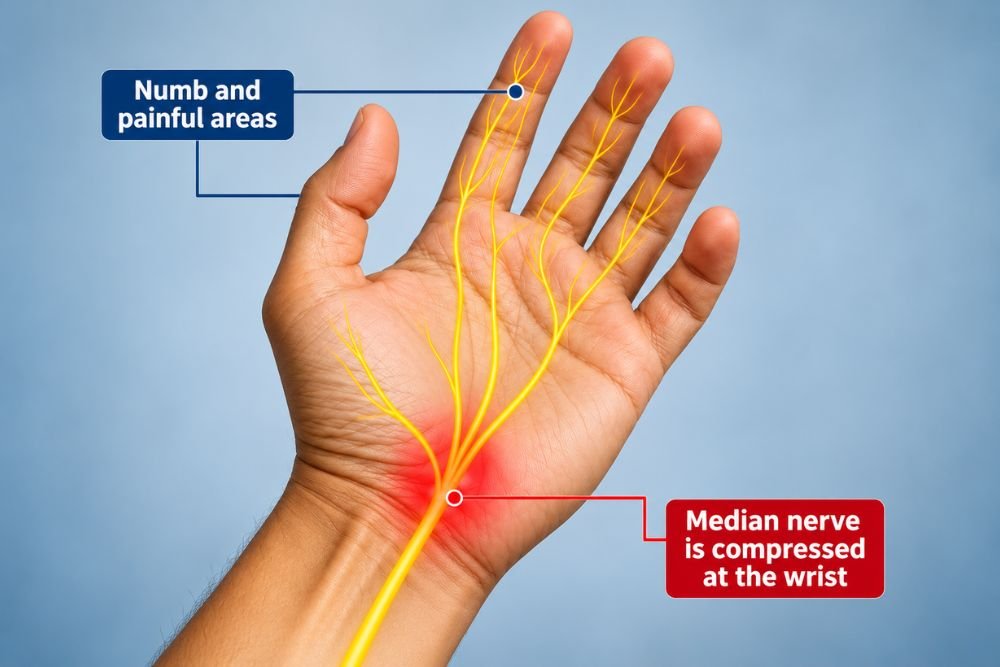
Pain accompanied by tingling, numbness or weakness may indicate that nerves are involved and should be assessed appropriately.
Importantly, upper arm pain is a symptom rather than a diagnosis. The location of pain alone cannot always identify its underlying cause.
What Causes Upper Arm Pain?

There are several possible causes of upper arm pain. Common contributors include muscle overload, sports injuries, repetitive activities and conditions affecting the shoulder.
Muscle strain and overuse
A muscle strain can occur when a muscle is stretched or loaded beyond its current capacity. This may happen after lifting something heavy, exercising harder than usual or suddenly changing your training routine.
Repetitive work or sporting activities can also gradually overload the tissues around the shoulder and upper arm.
Rotator cuff-related shoulder pain
The rotator cuff is a group of muscles and tendons that helps control shoulder movement. Problems affecting these tissues can cause pain around the shoulder that may be felt further down the upper arm, particularly when reaching or lifting.
Biceps tendon problems
Irritation of the biceps tendon can cause pain around the front of the shoulder or upper arm. Symptoms may become more noticeable with lifting or repeated arm movements.
Nerve or neck-related pain
Sometimes, pain in the upper arm is related to irritation of nerves originating around the neck. This may be accompanied by tingling, numbness, burning sensations or changes in strength.
Where Do You Feel Upper Arm Pain?
The location and behaviour of your pain can provide useful information, although they cannot confirm a diagnosis by themselves.
Pain at the front of the upper arm may occur with some shoulder or biceps-related problems. Pain between the shoulder and elbow can also be referred from the shoulder.
If upper arm pain occurs alongside tingling or numbness, a healthcare professional may need to consider whether nerve-related symptoms are contributing.
Why Is My Upper Arm Pain Worse When Lifting or at Night?
Upper arm pain when lifting can occur when shoulder or arm tissues are being loaded during movement. Certain shoulder conditions may make reaching overhead or carrying objects uncomfortable.
Pain can also become more noticeable at night, particularly when lying in certain positions. If upper arm pain is regularly disturbing your sleep, continues to worsen or is limiting normal activities, professional assessment may be appropriate.
When Is Upper Arm Pain a Warning Sign?
Most upper arm pain is related to musculoskeletal problems, but some symptoms require prompt medical attention.
Seek urgent medical care if arm pain occurs with chest pain or pressure, difficulty breathing, sudden weakness, significant loss of sensation or other severe symptoms.
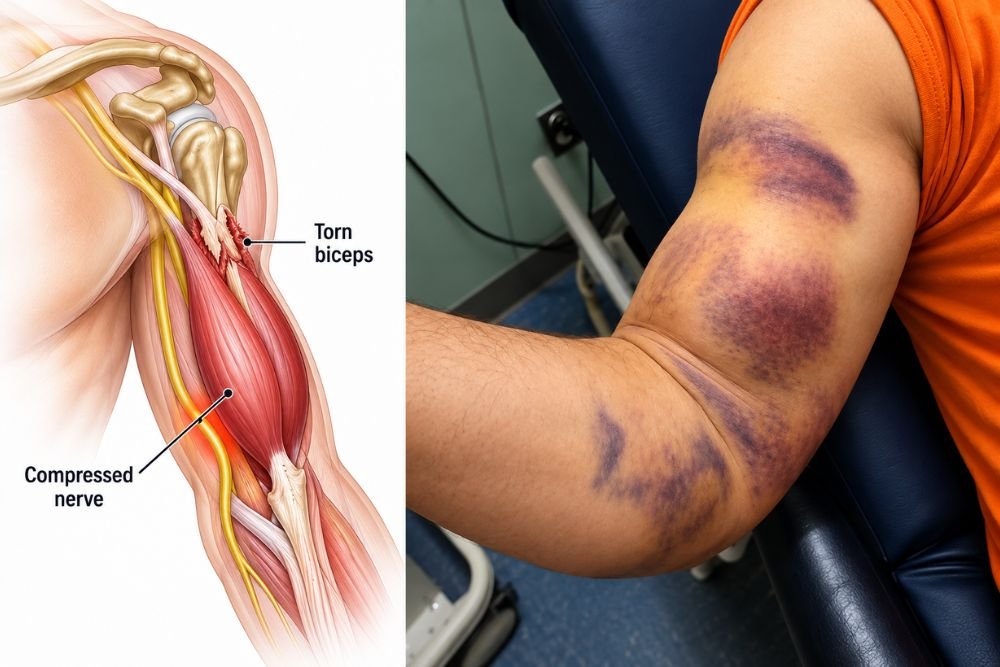
Significant trauma, an obvious deformity, severe swelling or rapidly worsening symptoms should also be assessed promptly.
For persistent or unexplained symptoms, speaking with a GP or qualified physiotherapist can help determine whether further investigation is required.
How Can Physiotherapy Help Upper Arm Pain?
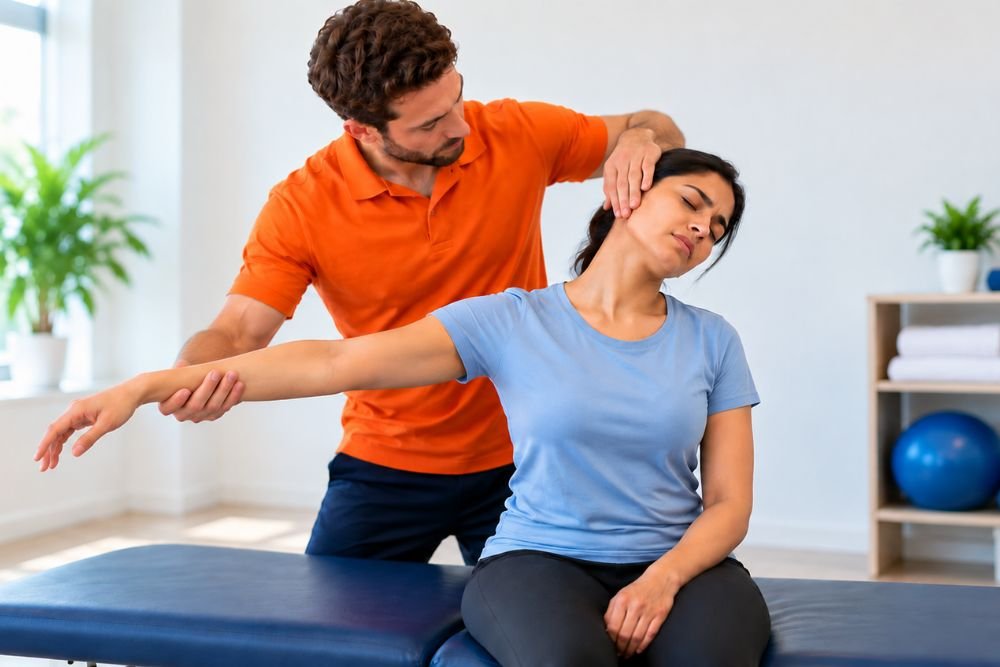
Physiotherapy for upper arm pain begins with identifying factors that may be contributing to your symptoms. A physiotherapist may assess your injury history, pain behaviour, shoulder and neck movement, strength and functional limitations.
Treatment is then based on the individual assessment.
Exercise rehabilitation
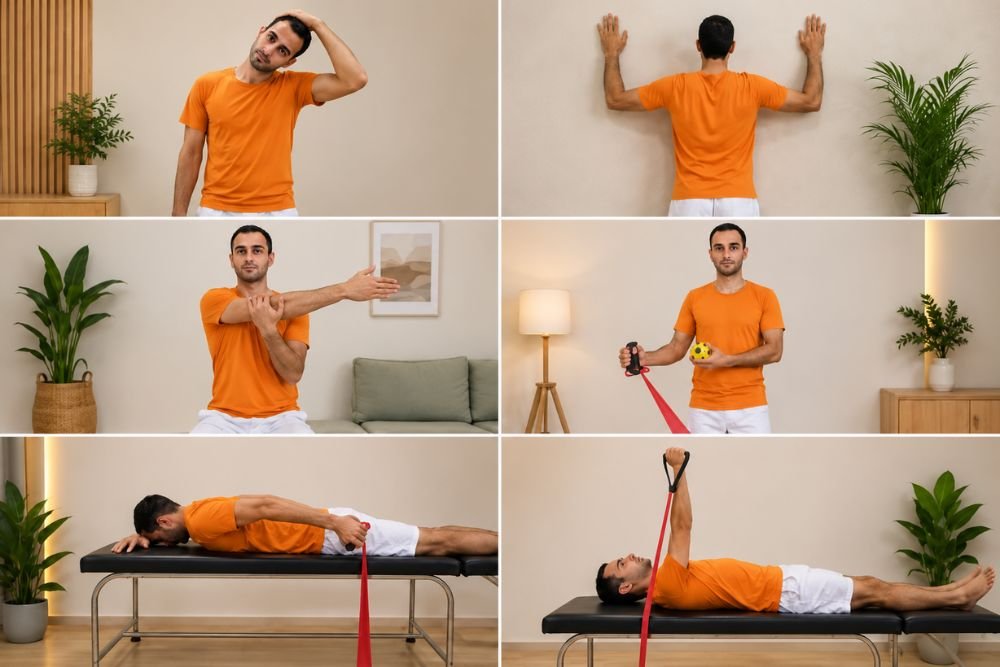
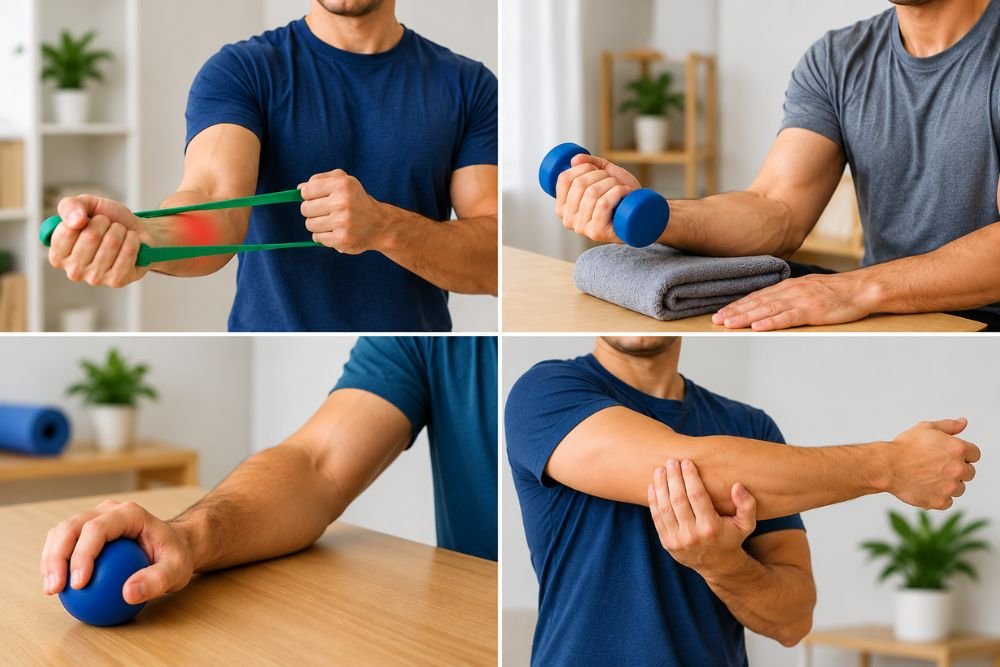
A tailored exercise program may include mobility exercises, rotator cuff strengthening, scapular control and progressive upper-limb loading.
Load management and education
Your physiotherapist can help identify movements or activities that may be aggravating your symptoms and guide you on how to modify and gradually resume them.
Manual therapy where appropriate
Depending on your presentation, manual therapy may be incorporated alongside exercise and education as part of a broader rehabilitation program.
At Go Run Go Physio, treatment can be tailored around your symptoms, work requirements, sporting activities and individual goals, rather than using the same program for every type of upper arm pain.
What Exercises Can Help Upper Arm Pain?
The best upper arm pain exercises depend on what is causing your symptoms. An exercise that is suitable for one condition may not be appropriate for another.
Depending on your assessment, rehabilitation may involve gentle shoulder mobility, progressive strengthening, rotator cuff exercises and functional upper-limb loading.
The aim is generally to restore movement and strength progressively while managing symptoms appropriately. If your pain is worsening or accompanied by significant weakness, numbness or other concerning symptoms, seek professional advice before progressing exercises.
How Long Does Upper Arm Pain Take to Improve?
There is no single recovery time for upper arm pain. Recovery depends on factors such as the underlying cause, severity, duration of symptoms, activity levels, and how the condition responds to rehabilitation.
A minor muscle strain may settle relatively quickly, while some shoulder, tendon or nerve-related problems can require a longer period of rehabilitation.
If symptoms are not improving or continue to interfere with work, exercise, sleep or everyday activities, an assessment can help establish an appropriate management plan.
When Should You See a Physiotherapist for Upper Arm Pain?
Consider seeing a physiotherapist for upper arm pain if your symptoms persist, repeatedly return or make normal activities difficult.
An assessment may be particularly useful if pain is affecting lifting, reaching, exercise, sport, work or sleep, or if symptoms developed following an injury or significant change in activity.
A physiotherapist can assess the shoulder, neck, and upper limb to help identify contributing factors and develop an appropriate rehabilitation program.
Take the Next Step Towards Managing Your Upper Arm Pain
Upper arm pain can have several possible causes, so identifying the source is an important part of effective management. If your symptoms are affecting your movement, work, exercise, or everyday life, a professional assessment can help determine the appropriate next steps.
Go Run Go Physio can provide an individualised approach to assessment and rehabilitation, helping you work towards improved movement, strength, and function.
Frequently Asked Questions
Why does my upper arm hurt without an injury?
Upper arm pain can develop without one obvious injury. Repetitive activity, overuse, shoulder-related problems, joint irritation, or referred symptoms from the neck can contribute to pain.
Why does my upper arm hurt when I lift it?
Pain when lifting your arm can be associated with shoulder-related problems, tendon irritation, muscle pain or restricted movement. An assessment can help identify the likely source.
Can upper arm pain come from the shoulder?
Yes. Shoulder problems can sometimes cause pain that is felt further down the upper arm. This is why assessment may include both shoulder and upper-arm movement.
Should I see a physio for upper arm pain?
If pain persists, returns repeatedly, or affects movement and daily activities, a physiotherapist can assess the problem and develop an individualised rehabilitation plan.
Can physiotherapy help upper arm pain?
Physiotherapy may help depending on the underlying cause. Treatment can include exercise therapy, education, load management, movement rehabilitation and other appropriate techniques.