
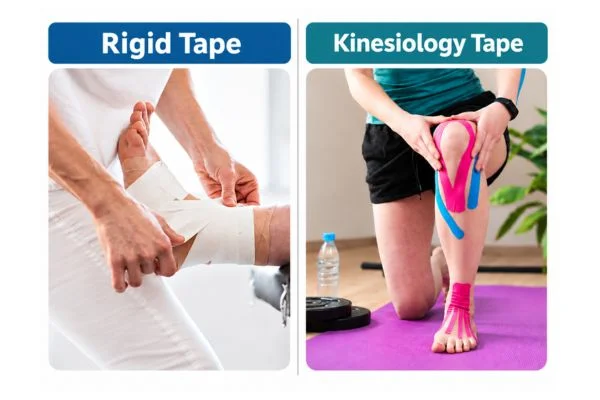
If you have ever had a sports injury or ongoing joint pain, you may have come across rigid tape and kinesiology tape. Although both are commonly used in physiotherapy and sports rehabilitation, they work in different ways.
So, which is better: rigid tape or kinesiology tape?
The answer depends on your injury, symptoms and treatment goals. Rigid tape is generally used to provide firmer support and restrict certain movements, while kinesiology tape is elastic and allows greater freedom of movement. Neither type of tape is universally better for pain or recovery.
What Is Rigid Tape?
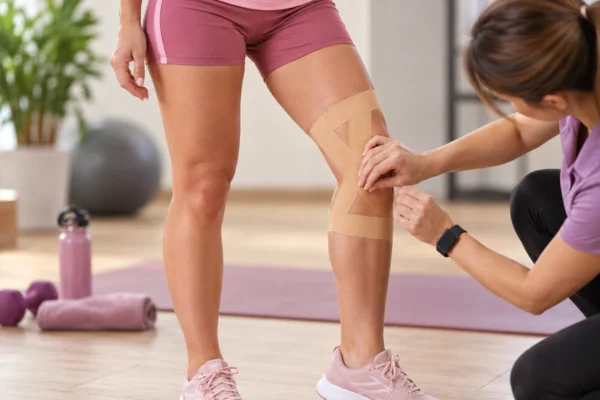
Rigid tape, also known as sports strapping tape or athletic tape, has little to no stretch. It is commonly used when a treatment plan requires additional support or control around a joint.
By restricting particular movements, rigid tape may help reduce unwanted stress on an injured area during certain activities. It is often used around areas such as the ankle, knee, wrist and shoulder, depending on the injury and the individual’s needs.
How Does Rigid Tape Work?
Rigid tape works primarily through mechanical support and movement restriction. A physiotherapist may apply it in a specific pattern to help control a movement or provide temporary stability.
For example, rigid tape may be considered for an ankle injury where limiting certain movements could make activity more comfortable. However, taping should be based on an appropriate assessment rather than simply applying tape to an area that hurts.
What Is Kinesiology Tape?
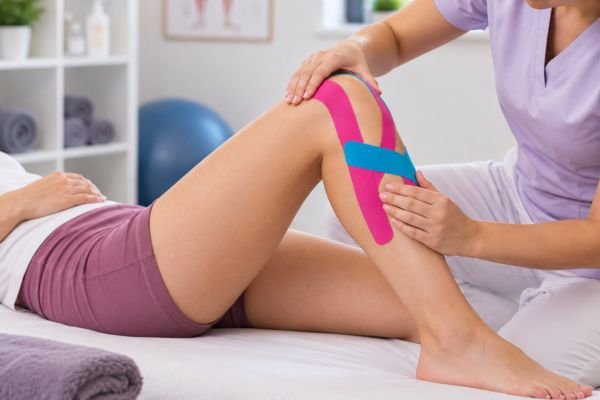
Kinesiology tape is an elastic therapeutic tape designed to stretch and move with the body. Unlike rigid tape, it does not aim to significantly restrict joint movement.
It is commonly incorporated into physiotherapy and sports rehabilitation programs for selected musculoskeletal conditions. Some people report improvements in pain or comfort when kinesiology tape is used, although the response can vary between individuals.
How Does Kinesiology Tape Work?
Kinesiology tape can provide sensory input to the skin while allowing normal movement. Depending on how it is applied and the treatment goal, it may be used as part of a broader rehabilitation strategy.
It is important to remember that kinesiology tape is not a replacement for strengthening, mobility work, exercise rehabilitation or appropriate medical assessment.
Rigid Tape vs Kinesiology Tape: What Is the Difference?
The biggest difference between rigid and kinesiology tape is how much movement they allow.
| Feature | Rigid Tape | Kinesiology Tape |
| Stretch | Little to no stretch | Elastic and stretchable |
| Main purpose | Support and movement control | Support while allowing movement |
| Feel | Firmer | More flexible |
| Common use | Joint stability and movement restriction | Rehabilitation and movement-based support |
| Movement | More restricted | Greater freedom of movement |
| Best choice | Depends on the injury and treatment goal | Depends on the injury and treatment goal |
Which Tape Provides More Support?
If your main goal is movement restriction or firmer joint support, rigid tape will generally provide more mechanical restriction than kinesiology tape.
Kinesiology tape is designed to move with the body, so it may be more suitable when maintaining movement is an important part of rehabilitation.
However, more restriction does not automatically mean better treatment. The appropriate level of support depends on the injury and stage of recovery.
Which Tape Is Better for Pain?
Neither rigid tape nor kinesiology tape should automatically be considered the best treatment for pain.
Some people may experience short-term symptom relief from taping. However, persistent pain can have many different causes, and treating the underlying problem is usually more important than relying on tape alone.
A physiotherapy assessment can help identify contributing factors and determine whether taping could be useful alongside an appropriate rehabilitation program.
Rigid Tape vs Kinesiology Tape for Recovery
Recovery from an injury involves more than choosing the right tape.
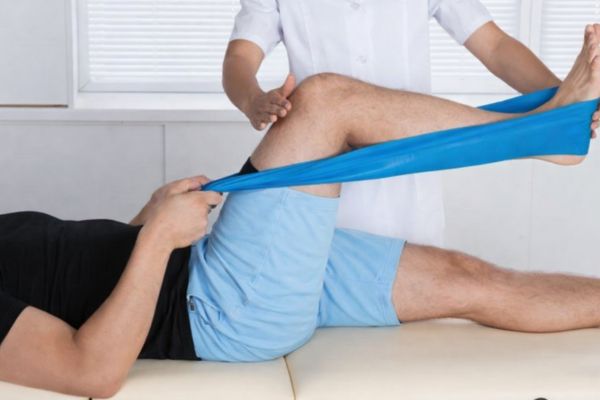
Depending on the condition, rehabilitation may involve progressive strengthening, mobility exercises, load management, movement retraining and a gradual return to normal activities or sport.
Taping can sometimes be used as an additional tool during this process. For example, a person may use tape temporarily to feel more supported while returning to an activity while continuing with exercises designed to improve strength and function.
The goal should be to help you return to normal movement and activity rather than becoming dependent on tape.
Which Tape Should You Choose?
There is no universally better tape. The choice between rigid tape and kinesiology tape depends on the injury, symptoms, activity level and purpose of the taping.
Rigid tape may be more appropriate when firmer support or restriction of a particular movement is required. Kinesiology tape may be considered when support is wanted without significantly limiting movement.
If you are unsure which option is appropriate, a physiotherapist can assess your condition and recommend whether taping has a role in your recovery.
Can You Apply Sports Tape Yourself?
Although sports tape is widely available, applying it correctly is important. Incorrect positioning or excessive tension can cause discomfort, skin irritation or unwanted restriction of movement.
If you are using tape because of ongoing pain or an injury, professional guidance can help determine whether taping is appropriate and how it should be applied.
At Go Run Go Physio, physiotherapy can be incorporated into your recovery plan based on your individual needs. The practice also provides a home physiotherapy service, which can be a convenient option for people who find travelling to a clinic difficult or prefer to receive physiotherapy in their own environment.
When Taping Is Part of a Bigger Recovery Plan
Rigid tape and kinesiology tape can both have a role in physiotherapy, but they are designed for different purposes. Rigid tape provides firmer support and movement control, while kinesiology tape allows greater freedom of movement.
If you’re looking for kinesiology taping in Melbourne, Go Run Go Physio can assess your condition and determine whether taping is appropriate as part of your individual physiotherapy and rehabilitation plan. With home physiotherapy services available, you can also receive personalised support in the comfort of your own home.
Frequently Asked Questions
Q1. Is rigid tape better than kinesiology tape?
Answer: Not necessarily. Rigid tape generally provides stronger movement restriction and joint support, while kinesiology tape is elastic and allows greater movement. The appropriate choice depends on the injury and treatment goal.
Q2. Does kinesiology tape actually help with pain?
Answer: Kinesiology tape may provide short-term symptom relief for some people, but its effects vary. It should not replace appropriate assessment and active rehabilitation when these are needed.
Q3. Is rigid tape good for ankle injuries?
Answer: Rigid tape can provide temporary support and restrict certain ankle movements in some cases. However, whether it is suitable depends on the type and severity of the ankle injury.
Q4. Can you sleep with kinesiology tape on?
Answer: Some kinesiology tapes can remain on for an extended period, but you should follow the manufacturer’s instructions. Remove the tape if you experience significant itching, irritation, swelling or skin discomfort.
Q5. Should I see a physiotherapist before using sports tape?
Answer: If you are using tape because of ongoing pain or an injury, seeing a physiotherapist can help identify the cause of the problem and determine whether taping is appropriate as part of your rehabilitation.