
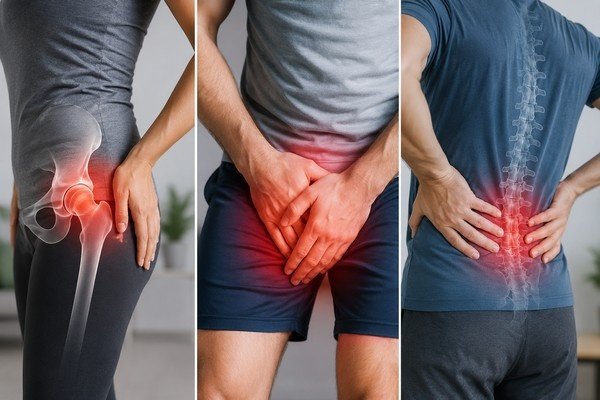
Pain around the hip, groin, or lower back can be difficult to pinpoint because these areas are closely connected. In many cases, discomfort felt in one area may actually be coming from another. For example, a problem in the lower back can cause pain around the hip, while a hip joint condition may present as groin pain.
Understanding where your symptoms are coming from is the first step towards effective treatment. Although it is not always possible to diagnose the cause based on symptoms alone, recognising the differences can help you decide when to seek professional advice. At Go Run Go Physio, our physiotherapists carry out thorough assessments to identify the true source of your pain and create a personalised treatment plan.
Where Is Your Pain Located? A Quick Comparison
The location of your pain can provide useful clues about its origin, although it is only one part of the assessment.
| Pain Location | Most Likely Source | Common Symptoms |
| Front of the hip or groin | Hip joint or groin muscles | Pain when walking, stiffness, difficulty lifting the leg |
| Side of the hip | Gluteal tendons or bursa | Pain when lying on the affected side or climbing stairs |
| Buttock | Hip joint or lower back | Deep aching pain, reduced mobility |
| Lower back | Lumbar spine | Stiffness, pain bending or standing for long periods |
| Pain travelling below the knee | Nerve irritation | Tingling, numbness or weakness |
Because the hip, pelvis and lower back work together during everyday movement, pain can often be referred, making it difficult to identify the exact source without a professional assessment.
Common Causes of Hip Pain
Hip pain often develops gradually, although it can also occur following a fall, sporting injury or sudden twist.
Hip Joint Problems
Conditions affecting the hip joint commonly cause pain in the front of the hip or deep within the groin. Some of the most common causes include:
- Hip osteoarthritis
- Femoroacetabular impingement (FAI)
- Labral tears
- Early joint degeneration
You may notice stiffness after sitting, discomfort when walking, and reduced range of movement.
Muscle and Tendon Injuries
Not all hip pain comes from the joint itself. The surrounding muscles and tendons can also become irritated or injured.
Common conditions include:
- Gluteal tendinopathy
- Hip flexor strain
- Trochanteric bursitis
- Muscle overload from running or sport
Pain may worsen during exercise, climbing stairs, or sleeping on the affected side.
Common Causes of Groin Pain
Groin pain is particularly common among runners, footballers, and people involved in sports that require sudden changes in direction.
Muscle Strains
A groin strain usually affects the adductor muscles that run along the inside of the thigh. Symptoms often include:
- Sharp pain during activity
- Tenderness along the inner thigh
- Pain when changing direction
- Reduced strength
These injuries frequently occur during sprinting, kicking, or sudden twisting movements.
Hernias and Other Conditions
Not all groin pain is muscular. Other possible causes include:
- Sports hernia
- Inguinal hernia
- Hip joint disorders
- Referred pain from the lower back
Persistent groin pain should always be properly assessed, particularly if symptoms continue despite rest.
When Lower Back Pain Is Actually the Problem
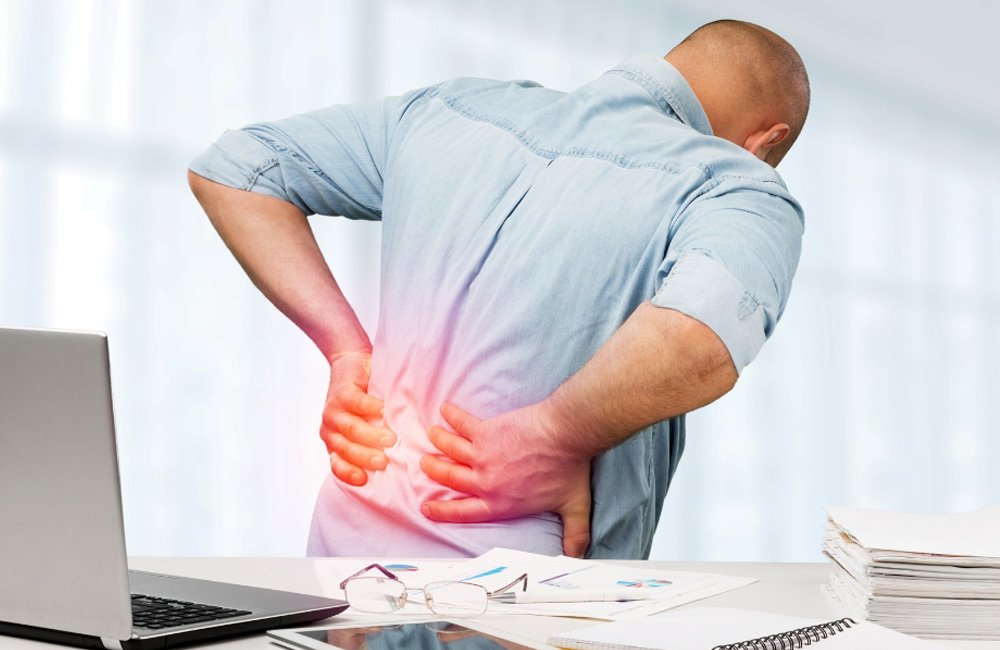
Many people assume their hip is the source of their discomfort when the problem actually begins in the lumbar spine.
Lower back conditions such as disc injuries, joint irritation, or nerve compression can cause pain that spreads into the buttock, hip or groin. In some cases, symptoms may extend down the leg.
Signs that your lower back may be contributing include:
- Pain that increases after sitting
- Stiffness first thing in the morning
- Tingling or numbness in the leg
- Pain travelling below the knee
- Weakness in the foot or leg
A detailed physiotherapy assessment can determine whether your symptoms originate from the hip, groin or lower back, ensuring you receive the most appropriate treatment.
When Should You See a Physiotherapist?
While minor aches may settle with rest, ongoing pain should not be ignored.
You should consider seeing a physiotherapist if:
- Your pain lasts longer than one week.
- Walking or daily activities become difficult.
- Pain is getting progressively worse.
- You experience recurring sporting injuries.
- You are unsure where the pain is coming from.
- You notice weakness, numbness, or reduced movement.
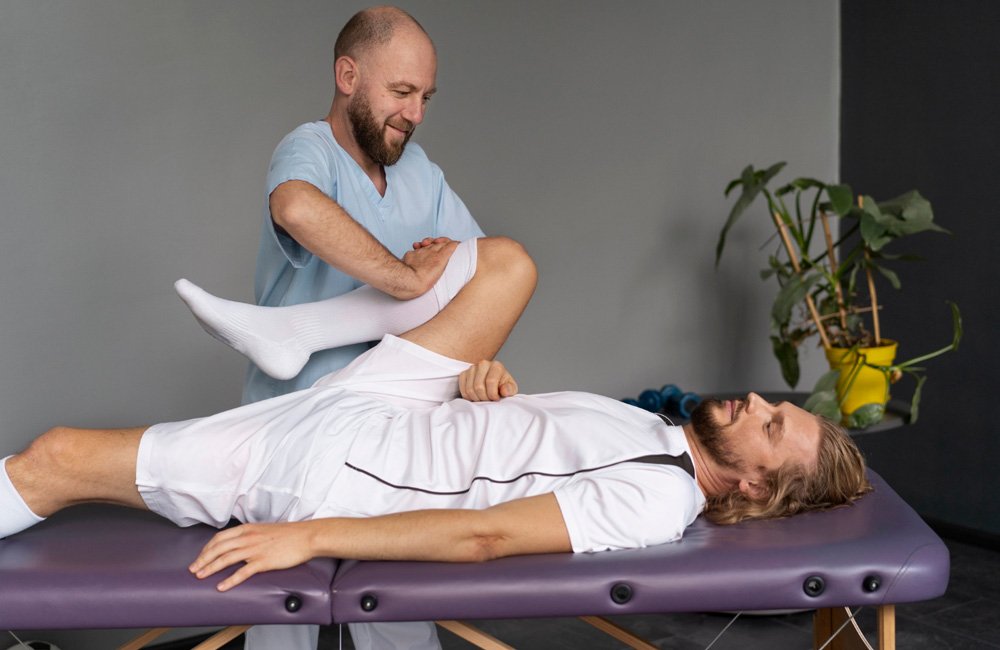
At Go Run Go Physio, we assess your movement, strength, flexibility, and functional activities to accurately identify the source of your symptoms. Rather than simply treating the painful area, we focus on addressing the underlying cause to support long-term recovery and reduce the risk of future injuries.
Not Sure Whether Your Pain Is Coming from Your Hip, Groin, or Lower Back?
Because these regions are closely connected, identifying the true source of pain is not always straightforward. An accurate diagnosis is essential for choosing the right treatment and preventing symptoms from becoming a long-term problem.
If you are experiencing persistent hip, groin, or lower back pain, the experienced team at Go Run Go Physio can provide a comprehensive assessment and a personalised rehabilitation plan tailored to your goals. Whether your aim is to return to sport, stay active, or move without discomfort, early assessment can help you recover with confidence.
Frequently Asked Questions
Q1. Can hip pain cause groin pain?
Answer: Yes. Many hip joint conditions, including osteoarthritis and hip impingement, commonly cause pain that is felt in the groin. This is why groin pain is not always caused by a muscle strain.
Q2. Can lower back pain feel like hip pain?
Answer: Yes. Problems affecting the lumbar spine can refer pain into the buttock, side of the hip or groin. A physiotherapy assessment helps determine whether the pain is originating from the spine or the hip.
Q3. How do I know if my pain is muscular or from the hip joint?
Answer: Muscle injuries often cause pain during specific movements or exercise, whereas hip joint problems typically lead to stiffness, reduced mobility, and discomfort during weight-bearing activities. However, symptoms can overlap, so a professional assessment is recommended.
Q4. Can physiotherapy help with hip and groin pain?
Answer: Yes. Physiotherapy can help identify the underlying cause of your symptoms, reduce pain, improve mobility, restore strength, and guide you safely back to your normal activities.
Q5. Should I exercise with hip or groin pain?
Answer: It depends on the cause of your pain. Gentle movement may help some conditions, while continuing to exercise with an undiagnosed injury could make symptoms worse. Seeking advice from a physiotherapist ensures you receive the most appropriate rehabilitation program.