
A biceps muscle tear is a common injury that can cause sudden pain, bruising, and weakness in the upper arm. It may happen during sports, heavy lifting, or even everyday activities that place excessive strain on the muscle or tendon. While many partial biceps tears can recover with the right treatment, delaying assessment may lead to prolonged pain, reduced strength, and slower healing.
Early physiotherapy for a biceps muscle tear can help reduce pain, restore movement, and improve strength, allowing you to return to your normal activities safely. Understanding the symptoms and knowing when to seek professional help is the first step towards a successful recovery.
What Is a Biceps Muscle Tear?
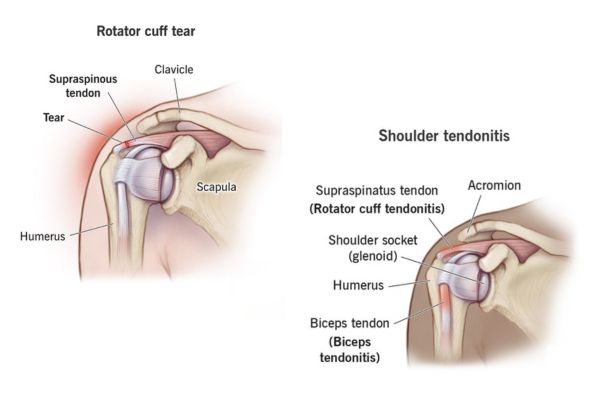
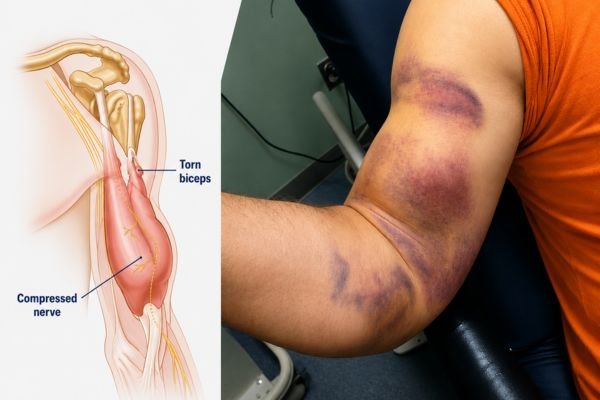
The biceps is the large muscle at the front of the upper arm that helps you bend your elbow and rotate your forearm. A biceps muscle tear occurs when the muscle fibers or the tendon connecting the muscle to the bone are damaged.
There are two main types of injury:
- Partial tear – where only some muscle or tendon fibers are torn.
- Complete tear – where the tendon or muscle ruptures completely, often causing a noticeable loss of strength and a change in the shape of the arm.
Biceps tears are commonly seen in people who participate in sports, perform repetitive lifting at work, or suddenly overload the arm during physical activity.
Common Symptoms of a Torn Biceps
The symptoms of a torn biceps muscle can vary depending on the severity of the injury. Common signs include:
- Sudden sharp pain in the upper arm or shoulder
- A popping or snapping sensation at the time of injury
- Swelling around the upper arm
- Bruising that develops over the following days
- Weakness when lifting, pulling or carrying objects
- Reduced grip strength
- Difficulty bending the elbow or rotating the forearm
- Tenderness around the injured area
If these symptoms persist or worsen, it is important to seek assessment from a qualified physiotherapist.
When Should You See a Physiotherapist?
Many mild muscle strains improve with rest, but a biceps muscle tear often benefits from early physiotherapy. Prompt treatment can reduce pain, improve movement, and lower the risk of long-term weakness or stiffness.
You should consider seeing a physiotherapist if you:
- Continue to experience pain after several days
- Notice significant bruising or swelling
- Have difficulty lifting everyday objects
- Feel weakness in your arm or shoulder
- Cannot fully straighten or bend your elbow
- Want to return safely to work, exercise or sport
A physiotherapist will assess the severity of your injury, identify any movement limitations, and develop an individual rehabilitation program based on your recovery goals. If a complete tendon rupture is suspected, they may recommend further medical assessment or imaging.
How Physiotherapy Helps a Biceps Muscle Tear Recover
A structured physiotherapy program plays an important role in helping the injured muscle heal while restoring normal function.
Pain Management
During the early stages of recovery, treatment focuses on reducing pain and protecting the injured tissues. Your physiotherapist may recommend:
- Activity modification
- Ice and swelling management
- Gentle manual therapy where appropriate
- Advice on gradually returning to movement
Early management helps create the best environment for healing while preventing unnecessary stiffness.
Restoring Movement
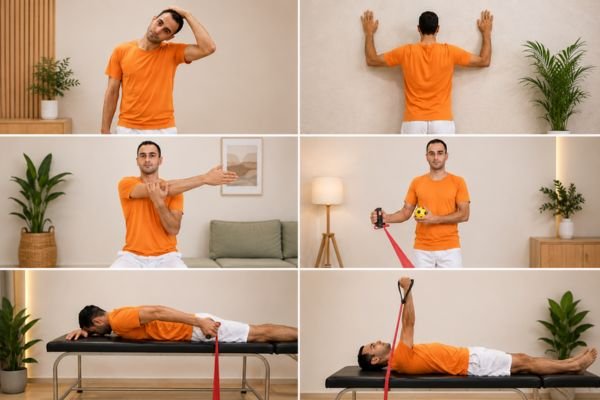
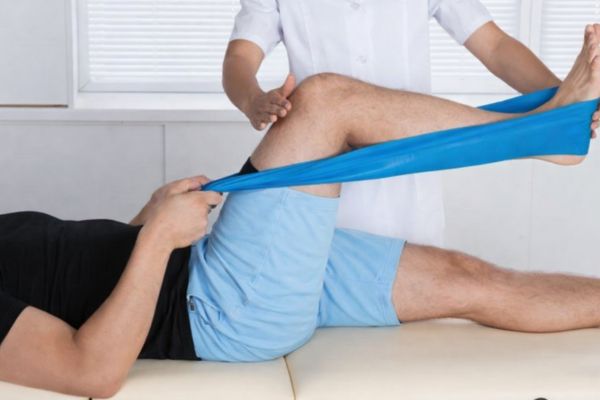
Once pain begins to settle, gentle stretching and mobility exercises help restore the normal range of movement in the shoulder and elbow.
Improving flexibility early can prevent joint stiffness and make later strengthening exercises more effective.
Rebuilding Strength
As healing progresses, strengthening exercises are introduced gradually. These exercises are designed to improve:
- Biceps strength
- Shoulder stability
- Forearm function
- Overall upper limb control
Progressive strengthening reduces the likelihood of reinjury and prepares the arm for everyday tasks, work, or sporting activities.
Returning to Daily Activities
Recovery is not only about reducing pain it is about regaining confidence in using your arm.
Your physiotherapist will guide you through a gradual return to work, hobbies, and exercise, ensuring the injured tissues are ready for increased activity while minimising the risk of another injury.
Do All Biceps Tears Need Surgery?
No. Most partial biceps tears can be managed successfully with physiotherapy and conservative treatment.
However, surgery may be recommended if:
- The tendon has completely ruptured
- There is significant loss of strength
- The injury affects your ability to perform work or sport
- You are a younger or highly active individual requiring maximum arm strength
A physiotherapist can help determine whether your injury is suitable for conservative management or whether referral to a specialist is appropriate.
Can Home Physiotherapy Help?
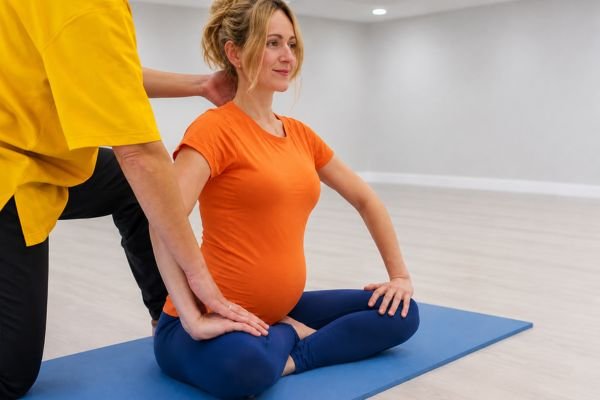
For many people, recovering at home is both practical and convenient. Home physiotherapy allows you to receive professional assessment and treatment without the need to travel while you are in pain or experiencing limited mobility.
Benefits of home physiotherapy include:
- Personalised one-to-one treatment
- Comfortable rehabilitation in familiar surroundings
- Reduced need for travel after an injury
- Individual exercise programmes tailored to your recovery
- Ongoing support and progress monitoring
At Go Run Go Physio, we provide home physiotherapy services across our local community, helping people recover safely from muscle injuries, improve their mobility and regain confidence in everyday movement all from the comfort of their own home.
When Is It Time to Get Professional Help?
Although some muscle injuries improve with rest, it is important not to ignore ongoing pain or weakness following a biceps muscle tear.
You should seek professional physiotherapy if:
- Pain persists beyond a few days
- Bruising or swelling continues to increase
- You struggle to lift or carry objects
- Your arm feels noticeably weaker than before
- Your injury is preventing you from working, exercising or completing daily activities
Early assessment allows the correct treatment to begin sooner, helping you recover more efficiently and reducing the risk of long-term complications.
If you are experiencing symptoms of a biceps muscle tear, the team at Go Run Go Physio can provide a thorough assessment and personalised home physiotherapy treatment to support your recovery and help you return to the activities that matter most.
Frequently Asked Questions
Q1. Can a torn biceps heal without surgery?
Answer: Yes. Many partial biceps tears heal successfully with physiotherapy, activity modification, and a structured rehabilitation program. Complete tears may require assessment by an orthopedic specialist.
Q2. How long does a biceps muscle tear take to heal?
Answer: Recovery depends on the severity of the injury. Mild to moderate tears often improve within 6 to 12 weeks, while more severe injuries may take several months to regain full strength.
Q3. Is physiotherapy necessary for a biceps muscle tear?
Answer: Physiotherapy is highly beneficial because it helps reduce pain, restore movement, rebuild strength, and lower the risk of reinjury. Early treatment also supports a safer return to work, sports, and everyday activities.
Q4. What activities should I avoid after a biceps tear?
Answer: Avoid heavy lifting, pulling movements, and exercises that increase pain until your physiotherapist advises it is safe to resume these activities.
Q5. Can I receive physiotherapy at home?
Answer: Yes. Home physiotherapy provides personalised assessment, hands-on treatment, and tailored rehabilitation in the comfort of your own home, making it an excellent option for people with limited mobility or those recovering from injury.