 +61 401 458 166

Your core does much more than help create visible abdominal muscles. It helps stabilize your spine, pelvis, and body during everyday activities and exercise. Weak core symptoms can include poor posture, reduced balance, early fatigue, and difficulty controlling certain movements. In some people, core weakness may also contribute to lower back discomfort.
Understanding the signs of a weak core can help you recognize when you may benefit from targeted exercise or a physiotherapy assessment.
What Does Having a Weak Core Actually Mean?
Your core is a group of muscles that work together to support and control your trunk. It includes the abdominal muscles, deep spinal muscles, diaphragm, and pelvic floor muscles.
Having a weak core does not necessarily mean that your abdominal muscles look weak. Instead, core weakness can involve reduced strength, endurance, or control when your body needs to stabilize during movement.
Good core stability allows you to transfer force efficiently between your upper and lower body while maintaining control of your spine and pelvis.
7 Common Weak Core Symptoms to Look Out For
1. Lower Back Pain or Discomfort
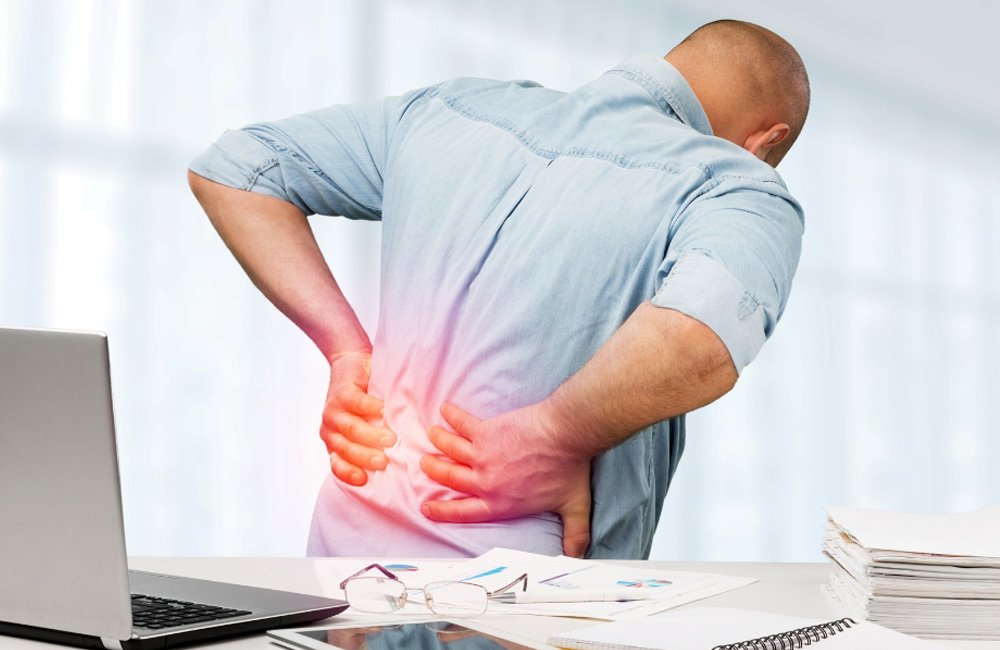
One of the commonly discussed signs of core weakness is lower back discomfort, particularly when the trunk has difficulty maintaining stability during movement.
However, lower back pain has many possible causes. A weak core should not automatically be considered the cause of your symptoms. A physiotherapist can assess your strength, mobility, and movement patterns to identify factors that may be contributing to your pain.
2. Poor Posture
If you find it difficult to maintain an upright posture, particularly when sitting or standing for longer periods, reduced core endurance may be one contributing factor.
As your muscles become fatigued, you may notice your shoulders rounding, your pelvis changing position, or your trunk becoming less stable.
3. Poor Balance and Stability
Your core contributes to your ability to control your body while standing, walking and changing direction.
Reduced core stability may make certain balance-based movements feel more difficult, particularly when exercising or participating in sport.
4. Difficulty With Everyday Movements
Core muscles are involved in many everyday activities, including bending, lifting, getting out of a chair and carrying objects.
If you regularly feel unstable or struggle to control your trunk during these movements, it may be worth having your movement and strength assessed.
5. Reduced Sporting Performance
A strong and well-controlled core can help support efficient movement during running, jumping, lifting and changes of direction.
For runners and athletes, poor trunk control may affect movement efficiency and stability. This is one reason sports physiotherapy often considers core strength and movement control as part of an overall rehabilitation or performance program.
6. Muscle Fatigue During Exercise
If your trunk muscles fatigue quickly during controlled exercises, it may indicate reduced core endurance.
This does not necessarily mean you need to perform more sit-ups. Effective core training is about developing the appropriate combination of strength, endurance and movement control for your individual needs.
7. Difficulty Controlling Your Pelvis or Trunk
Your abdominal muscles, spinal muscles and pelvic floor work together to contribute to trunk and pelvic stability.
If you have difficulty controlling your pelvis during exercise or movement, a pelvic physio may be able to assess whether pelvic floor function, strength or coordination is relevant to your symptoms.
How Can You Tell If Your Core Is Weak?

There is no single home test that can reliably determine whether you have a weak core.
Some possible signs of weak core muscles include:
- Struggling to maintain a stable trunk during exercise
- Fatiguing quickly during core exercises
- Difficulty maintaining good posture as you become tired
- Reduced balance or stability
- Difficulty controlling your pelvis during certain movements
- Your lower back compensating during some exercises
A physiotherapist can perform a more comprehensive assessment of your strength, mobility, movement control and functional ability before recommending an appropriate exercise program.
Can a Weak Core Cause Lower Back Pain?
A weak or poorly controlled core can contribute to lower back discomfort in some people, but it is not the only possible cause of back pain.
Back pain can be associated with a range of factors, including changes in activity, previous injuries, muscle strength, mobility, and movement patterns. This is why it is important not to assume that strengthening your core alone will resolve every type of back pain.
If you have persistent lower back pain, a physiotherapist can help identify contributing factors and develop an appropriate treatment and exercise plan.
How Can Physiotherapy Help With Core Weakness?

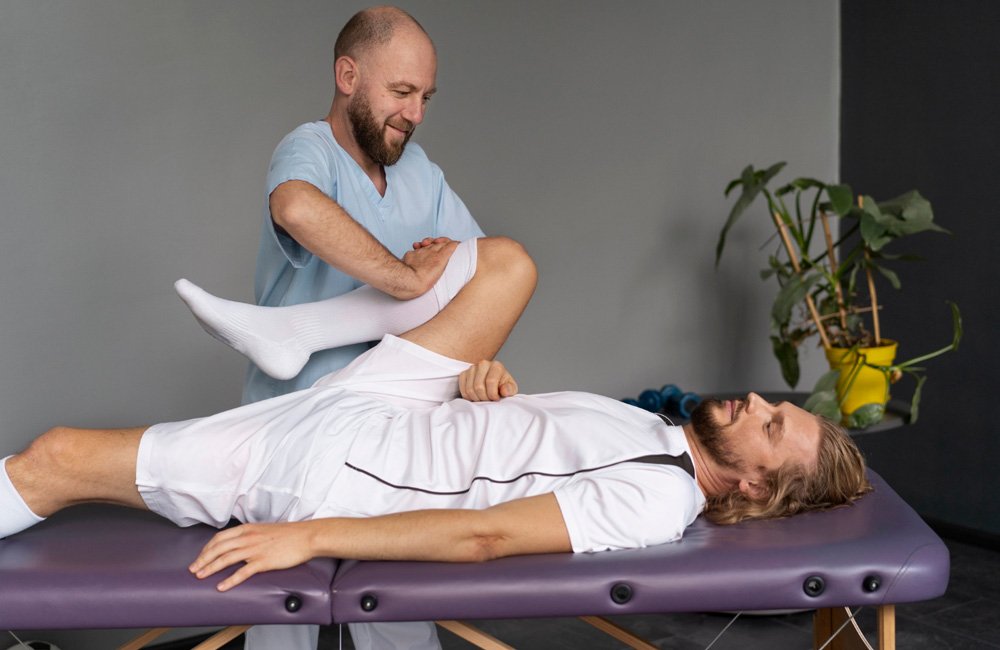
Physiotherapy for weak core muscles focuses on more than simply performing abdominal exercises. Your physiotherapist can assess how you move and then develop exercises that match your current ability and goals.
A progressive program may include:
- Core strengthening exercises
- Trunk stability and movement-control exercises
- Functional strengthening
- Balance and coordination exercises
- Sport-specific rehabilitation
- Gradual progression towards your everyday or sporting activities
For people with relevant pelvic health concerns, pelvic physiotherapy may also form part of their care. The pelvic floor is one component of the body’s core system, but pelvic floor treatment is not required for everyone with core weakness.
At Go Run Go Physio, an individualized approach can help ensure that your exercises are appropriate for your symptoms, lifestyle, and activity goals.
When Should You See a Physiotherapist About Core Weakness?
Consider speaking with a physiotherapist if weakness, discomfort or reduced stability is persistent, keeps returning, affects your exercise or sport, or interferes with everyday activities.
A professional assessment can help determine whether core weakness is actually contributing to your symptoms and whether targeted strengthening is appropriate.
If you experience new, severe, or concerning symptoms, seek appropriate medical assessment rather than assuming they are caused by a weak core.
Build a Stronger Core With the Right Physiotherapy Approach

A strong core is not simply about having defined abdominal muscles or completing hundreds of sit-ups. Functional core strength is about having the strength, endurance, and control to support your body during the activities that matter to you.
If you are experiencing persistent discomfort, reduced stability, or difficulty with movement, Go Run Go Physio can assess your needs and help develop an individualized physiotherapy program to support your recovery and movement goals.
Frequently Asked Questions
Q1. What are the most common symptoms of a weak core?
Answer: Common signs include reduced trunk stability, poor posture, difficulty maintaining balance, early fatigue during exercise and, in some people, lower back discomfort.
Q2. Can a weak core cause back pain?
Answer: A weak or poorly controlled core can contribute to back discomfort in some people, but back pain has many possible causes and should not automatically be attributed to core weakness.
Q3. How do I know if my core muscles are weak?
Answer: Difficulty maintaining trunk control, early fatigue, poor balance, or struggling with controlled movements may indicate reduced core strength or stability. A physiotherapist can assess this more accurately.
Q4. Can physiotherapy strengthen a weak core?
Answer: Yes. Physiotherapy can use progressive, individualized exercises to improve core strength, stability, movement control, and function according to your symptoms and goals.
Q5. Is pelvic floor strength part of core strength?
Answer: Yes. The pelvic floor works with other muscles involved in trunk stability. Pelvic physio may be appropriate when pelvic floor symptoms or other pelvic health concerns are present.