
 +61 401 458 166
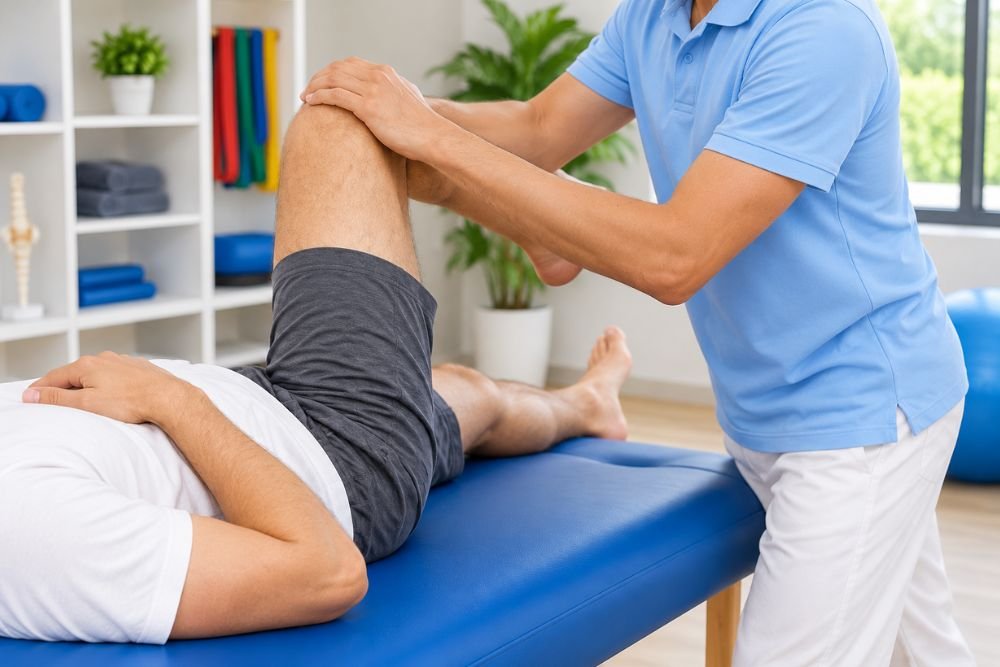
Arthritis can significantly impact daily life, making routine tasks more challenging Joint stiffness, swelling and ongoing discomfort often affect movement, independence and quality of life. The benefits of physiotherapy for arthritis are numerous, providing a proactive approach to alleviating symptoms, restoring joint mobility, and supporting ongoing wellness
A common misconception is that arthritis pain is something people must learn to live with. In reality, a personalised physiotherapy plan can help reduce discomfort, improve mobility and make daily tasks easier. Combined with the right home exercise programme, physiotherapy plays an important role in effective arthritis management.
Why Arthritis Affects Daily Movement
Arthritis refers to a group of conditions that affect the joints. The two most common forms are osteoarthritis and rheumatoid arthritis.
As arthritis progresses, the affected joints may become
- Painful during movement
- Stiff after periods of rest
- Swollen and tender
- Less flexible
- Weaker due to reduced activity
These changes can affect walking, climbing stairs, getting dressed and many other daily tasks. Without proper management, reduced movement may contribute to muscle weakness and further joint limitations.
How Physiotherapy Supports Arthritis Care
Physiotherapists conduct comprehensive assessments to understand how arthritis affects your joints, muscles, and mobility, helping them create an effective management strategy. Based on this assessment, they develop a treatment plan designed to improve function while reducing pain.
Benefits of Physiotherapy for Arthritis
| Benefit | How It Helps |
| Pain reduction | Supports better movement with less discomfort |
| Improved flexibility | Helps maintain joint range of motion |
| Better strength | Supports joints through stronger muscles |
| Increased mobility | Makes daily activities easier |
| Joint protection | Reduces unnecessary strain on affected joints |
A structured programme can help people remain active while managing symptoms safely.
Individualised Treatment Plans
No two people experience arthritis in the same way. Factors such as age, affected joints, activity levels and overall health influence treatment decisions.
A physiotherapist may create a programme that includes:
- Joint mobility work
- Muscle strengthening
- Balance training
- Stretching routines
- Activity modification advice
- Home based movement programmes
This personalised approach makes joint pain physiotherapy more effective for long term results.
Pain Relief Methods Used by Physiotherapists
Many physiotherapy techniques focus on reducing pain while improving function.
Manual Therapy
Hands on techniques may help improve joint movement and reduce stiffness in selected cases. These methods are often combined with movement based rehabilitation.
Movement Retraining
Many people with arthritis develop movement habits that place extra stress on affected joints. Physiotherapists identify these patterns and teach safer movement techniques.
Strengthening Programmes
Stronger muscles provide better support around painful joints. This can reduce pressure on structures affected by arthritis.
For example:
- Strong quadriceps support arthritic knees
- Hip strengthening may improve walking mechanics
- Core stability supports overall movement control
Education and Self Management
Learning how to manage symptoms at home is an important part of successful arthritis care.
Patients often receive guidance on:
- Activity pacing
- Managing flare ups
- Joint protection strategies
- Safe physical activity levels
- Long term arthritis self management
Home Exercises That Support Joint Health
When it comes to managing arthritis pain, one of the simplest yet most effective strategies is to stay physically active through regular exercise. A physiotherapist can prescribe suitable exercises for arthritis based on your condition and physical capacity.
Gentle Range of Motion Movements
These movements help maintain flexibility and reduce stiffness.
Examples include:
- Knee bends
- Ankle circles
- Shoulder rolls
- Wrist mobility movements
Strength Building Activities
Strengthening exercises support the muscles surrounding affected joints.
Common examples include:
- Sit to stand movements
- Step ups
- Resistance band exercises
- Controlled leg raises
Balance and Stability Training
Balance exercises may help reduce fall risk and improve confidence during daily activities.
Examples include:
- Single leg standing
- Heel to toe walking
- Controlled weight shifting
Walking and Low Impact Activity
Many people with arthritis benefit from low impact physical activity such as:
- Walking
- Swimming
- Hydrotherapy
- Cycling
These activities encourage movement without placing excessive stress on the joints.
Physiotherapy and Different Types of Arthritis
Osteoarthritis
Osteoarthritis occurs when joint cartilage gradually wears down over time.
Osteoarthritis physiotherapy often focuses on:
- Strengthening muscles around affected joints
- Improving flexibility
- Managing stiffness
- Supporting mobility
Rheumatoid Arthritis
Rheumatoid arthritis is an autoimmune condition that causes inflammation within the joints.
During periods of symptom flare up, physiotherapy may focus on:
- Protecting affected joints
- Maintaining movement
- Reducing stiffness
- Supporting physical function
Arthritis in Weight Bearing Joints
Many people seek help for:
- Knee arthritis physiotherapy
- Hip arthritis physiotherapy
- Ankle arthritis rehabilitation
These areas often influence walking, balance and daily independence. Early physiotherapy input may help maintain function for longer.
When to Seek Professional Help
It may be time to see a physiotherapist if you experience:
- Persistent joint pain
- Morning stiffness lasting more than 30 minutes
- Difficulty walking
- Reduced joint movement
- Pain during daily activities
- Loss of strength around affected joints
Early intervention often helps people maintain activity levels and reduce the impact of arthritis on everyday life.
At Go Run Go Physio, physiotherapists assess your symptoms, movement patterns and goals to create an individual management plan that supports long term joint health and mobility.
Frequently Asked Questions
Q1. Does physiotherapy help arthritis pain?
Answer: Yes. Physiotherapy can help reduce pain, improve joint mobility, increase strength and support better movement patterns for people living with arthritis.
Q2. Which type of arthritis responds well to physiotherapy?
Answer: Both osteoarthritis and rheumatoid arthritis may benefit from physiotherapy. Treatment plans vary according to the individual’s symptoms and condition.
Q3. How often should I do exercises for arthritis?
Answer: Most people benefit from regular movement several times each week. Your physiotherapist will advise the most suitable schedule based on your condition.
Q4. Can physiotherapy prevent arthritis from getting worse?
Answer: Physiotherapy cannot reverse arthritis, but it can help manage symptoms, maintain function and support healthier movement habits.
Q5. Is walking good for arthritis?
Answer: For many people, walking is a useful low impact activity that supports joint movement, circulation and overall physical health.
Q6. Should I exercise during an arthritis flare up?
Answer: Activity levels may need adjustment during flare ups. A physiotherapist can advise safe modifications while helping you maintain movement.