
Jaw discomfort can make simple daily tasks feel difficult. Eating, speaking, yawning, and even sleeping may become uncomfortable when the jaw joint becomes irritated or tight. Many people searching for TMJ pain relief want practical ways to reduce discomfort without relying only on medication. Gentle jaw movements, posture care, and muscle relaxation methods can support better jaw function when used correctly. This guide explains safe tmj exercises at home, common causes of jaw tension, and when professional tmj physiotherapy may help improve daily comfort.
The jaw joint works closely with the muscles of the face, neck, and shoulders. When one area becomes strained, the surrounding muscles often react as well. That is why temporomandibular joint dysfunction may cause jaw stiffness, facial soreness, clicking sounds, or restricted movement. Early care may help reduce strain before symptoms become more difficult to manage.
Understanding Jaw Joint Pain
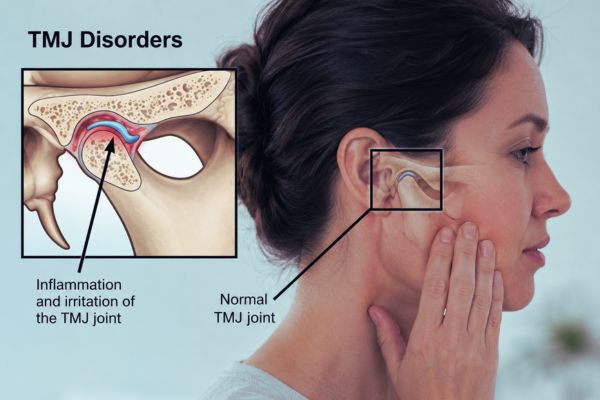
The temporomandibular joint connects the lower jaw to the skull. It allows smooth movement during chewing and speaking. When the joint or nearby muscles become irritated, pain and movement changes may develop.
Some people notice mild discomfort that comes and goes. Others experience persistent tension that affects sleep and concentration. Jaw pain may occur on one side or both sides depending on the source of irritation.
Common signs linked with temporomandibular joint dysfunction include:
- Jaw stiffness in the morning
- Clicking or popping sounds while opening the mouth
- Pain while chewing
- Tightness around the cheeks or temples
- Reduced jaw movement
- Neck tension linked with jaw strain
Muscle overuse, clenching, stress, poor posture, and dental grinding may all contribute to jaw irritation. Long periods spent looking down at phones or computers may also place extra pressure on the neck and jaw muscles.
Why Gentle Jaw Movements May Help
Jaw muscles react well to controlled movement when performed carefully. Slow movements may improve circulation, reduce muscle guarding, and support more balanced joint motion.
People often assume complete rest is the best option. In reality, gentle movement may help reduce stiffness in many cases. The aim is not to force the jaw open or create stretching pain. Small controlled movements usually work better than aggressive techniques.
Daily exercises for tmj disorder may help:
- Reduce muscle tightness
- Improve jaw coordination
- Support smoother mouth opening
- Reduce pressure around the joint
Consistency matters more than intensity. Many people notice gradual improvement after practising gentle routines regularly.
Simple Jaw Relaxation Method
Jaw muscles often stay tense without people noticing it. A relaxation method may help reduce unconscious clenching during the day.
Sit upright with your shoulders relaxed. Place the tip of the tongue gently behind the upper front teeth without pressing hard. Allow the teeth to stay slightly apart while keeping the lips together naturally.
Breathe slowly through the nose for several seconds. This position may help reduce tension around the jaw muscles. Repeat this method several times throughout the day, particularly during stressful periods or computer work.
Controlled Mouth Opening Movement
Restricted movement is common with jaw discomfort. This movement supports smoother jaw motion while limiting strain.
Place one finger lightly on the chin. Slowly open the mouth while keeping the movement straight and controlled. Avoid sudden or wide opening. Close the mouth gently after a few seconds.
Repeat the movement slowly several times. Stop if sharp pain develops. Mild stretching sensations may occur, but strong discomfort should not be ignored.
This type of jaw pain exercise routine may help improve movement control over time.
Side To Side Jaw Movement
Jaw muscles may become uneven when one side works harder than the other. Controlled side movement may support muscle balance.
Sit in a comfortable position. Move the lower jaw slowly to one side, hold briefly, then return to the centre. Repeat on the opposite side using slow controlled movement.
People with clicking symptoms should avoid pushing into painful ranges. Smaller movements are often more comfortable during early stages.
Chin Tuck Posture Movement
Neck posture affects jaw function more than many people realise. Forward head posture may increase tension around the jaw and upper neck.
Sit upright and gently draw the chin backwards without looking down. Hold the position briefly before relaxing again. The movement should stay soft and controlled without forcing the neck.
This movement is commonly used during tmj physiotherapy to support better neck and jaw alignment during desk work and screen use.
Jaw Massage For Muscle Tightness
Tight jaw muscles may feel tender near the cheeks or temples. Gentle massage may help relax these areas.
Using clean fingertips, apply light circular pressure over the jaw muscles located near the cheeks. Continue slowly for around one minute while breathing calmly.
Pressure should stay gentle. Strong pressure may increase irritation in sensitive muscles. Warm compresses placed near the jaw before massage may also help relax tight tissue.
Daily Habits That May Reduce Jaw Strain
Jaw symptoms often become worse through repeated daily habits. Small changes may reduce ongoing pressure around the joint.
Try to avoid chewing gum frequently, biting nails, or clenching the teeth during concentration. Softer foods may help during periods of increased discomfort.
Sleep position may also affect symptoms. Resting face down on a pillow may place pressure on the jaw joint overnight. Side sleeping with good neck support often feels more comfortable.
Many people searching for how to relieve tmj pain naturally benefit from combining movement routines with simple lifestyle adjustments.
When Jaw Pain May Need Professional Attention
Home care methods may help mild to moderate symptoms, but ongoing pain should not be ignored. Persistent discomfort may involve muscle imbalance, joint irritation, or movement restrictions that require assessment.
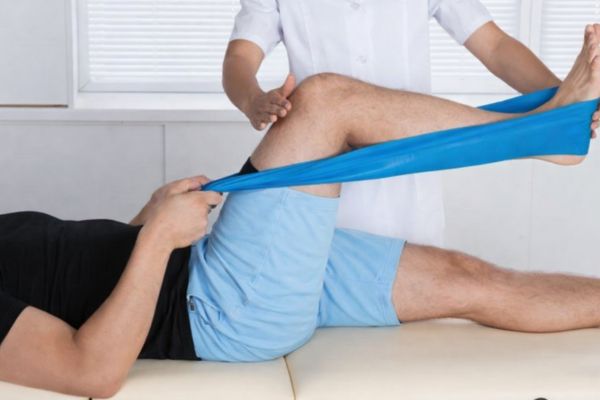
Professional physiotherapy may help identify contributing factors linked with posture, movement habits, muscle tension, and joint control.
Go Run Go Physio may assist people experiencing:
- Persistent jaw pain
- Difficulty chewing
- Jaw locking episodes
- Neck tension linked with jaw discomfort
- Reduced mouth opening
A physiotherapy assessment may include movement testing, muscle examination, posture review, and guidance on suitable daily exercises for tmj disorder.
The Link Between Stress And Jaw Tension
Stress commonly affects jaw muscles even when people do not notice clenching behaviour. Some people tighten the jaw while working, driving, or sleeping.
Muscle tension linked with stress may increase soreness around the face, temples, and neck. Breathing patterns may also change during stressful periods, leading to tighter upper body muscles.
Relaxation methods, sleep quality, and regular movement may support better muscle control. Short breaks during computer work may also reduce jaw and neck tension throughout the day.
Eating Habits During Jaw Discomfort
Certain foods may place extra pressure on irritated jaw joints. Hard chewing may increase soreness when symptoms are already active.
During painful periods, softer foods may feel easier to manage. Soups, yoghurt, rice dishes, eggs, and softer vegetables often require less jaw effort.
Large bites may also strain the jaw muscles. Smaller portions and slower chewing may reduce pressure around the joint.
People with severe temporomandibular joint dysfunction symptoms should avoid forcing the jaw open widely during meals.
Signs Your Jaw Movement Is Improving
Improvement often happens gradually rather than suddenly. Many people notice small changes over several weeks.
Positive signs may include:
- Easier mouth opening
- Less morning stiffness
- Reduced facial tension
- Less discomfort while chewing
- Improved neck comfort
Tracking symptoms weekly may help identify progress more clearly.
Can TMJ Symptoms Return?
Jaw discomfort may return if contributing habits continue. Long work hours, stress, poor posture, and clenching may all increase strain again.
That does not mean recovery has failed. It often means the muscles and joints still react to overload patterns. Ongoing self management may help maintain better control over symptoms.
Many people continue simple tmj exercises at home even after symptoms improve. Gentle maintenance routines may support better jaw movement long term.
Moving Forward With Better Jaw Comfort
TMJ pain relief often involves a combination of movement care, muscle relaxation, posture improvement, and healthy daily habits. Gentle routines performed regularly may help reduce tension and support smoother jaw movement. People with ongoing discomfort may benefit from professional guidance to identify the factors contributing to their symptoms. Go Run Go Physio provides physiotherapy support for jaw discomfort, movement issues, and related muscular tension.
FAQ
What is the fastest way to improve TMJ Pain Relief at home?
Gentle jaw movements, reduced clenching, warm compresses, and posture care may help reduce symptoms. Consistency matters more than forceful stretching.
Can jaw pain exercises reduce clicking sounds?
Some people notice reduced clicking after improving jaw control and muscle tension. Persistent clicking with pain should still be assessed professionally.
How often should I perform daily exercises for tmj disorder?
Most people start with short routines once or twice daily. Movements should stay gentle and controlled without increasing pain.
Does posture affect temporomandibular joint dysfunction?
Yes. Forward head posture may increase pressure on the jaw and neck muscles, leading to more tension around the joint.
Can stress make TMJ symptoms worse?
Stress may increase clenching and muscle tension, which may worsen jaw discomfort and stiffness.
Is tmj physiotherapy useful for chronic jaw pain?
Physiotherapy may help improve movement patterns, muscle tension, posture, and jaw control for people with ongoing symptoms.
When should I see a physiotherapist for jaw pain?
Professional assessment may help if symptoms continue for several weeks, interfere with eating, or involve locking or severe restriction.