 +61 401 458 166
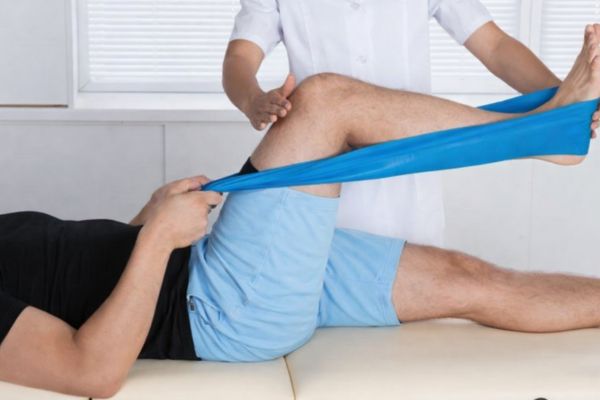
Recovering from hip surgery can feel uncertain at first, but a structured plan makes the process far more manageable. With the right hip replacement physiotherapy, most people regain movement, reduce discomfort, and return to daily routines with confidence. Understanding each phase of recovery helps set realistic expectations and keeps progress on track.
Patients often ask how long healing takes, what movements are safe, and when normal activities can resume. The answers depend on several factors such as age, general health, and commitment to rehabilitation. A guided physiotherapy plan plays a central role in restoring mobility and preventing long-term issues.
Recovery timeline after hip surgery
The stages of hip replacement recovery follow a gradual pattern. While each person heals differently, most patients progress through similar phases.
| Recovery Phase | Timeframe | Focus |
| Immediate phase | Week 1 | Pain control, gentle movement |
| Early recovery | Weeks 2 to 6 | Walking, basic strength |
| Mid recovery | Weeks 6 to 12 | Balance, muscle rebuilding |
| Late recovery | 3 to 6 months | Functional movement |
| Full recovery | 6 to 12 months | Return to normal activity |
Many patients ask how long does hip replacement recovery take, and the honest answer is that noticeable improvement happens within 6 to 12 weeks, while full recovery may take up to a year.
Early stage rehabilitation and mobility
The first few weeks focus on safe movement and preventing stiffness. At this stage, the body is healing from surgery, so movements remain controlled and guided.
Physiotherapists introduce gentle physiotherapy exercises after hip replacement that support circulation and reduce swelling. Walking with support, such as crutches or a walker, begins early to restore confidence.
Patients may notice:
- Mild swelling around the joint
- Limited range of motion
- Difficulty with daily activities such as sitting or standing
Simple guided movements help:
- Activate muscles around the hip
- Improve blood flow
- Reduce the risk of complications
A physiotherapist will also guide safe positions for sleeping and sitting to protect the new joint.
Mid stage strengthening and movement control
Between weeks 6 and 12, mobility improves and strength becomes the focus. This stage builds the foundation for long-term recovery.
Structured hip replacement physiotherapy sessions begin to include:
- Controlled strengthening of hip and thigh muscles
- Balance training to prevent falls
- Gait correction to restore natural walking patterns
Patients often notice better control during everyday tasks such as climbing stairs or getting in and out of a car.
Consistency is important at this stage. Missing sessions or stopping exercises too early may delay progress and affect long-term mobility.
Advanced rehabilitation and return to activity
After three months, most patients enter a more active phase of recovery. The goal is to return to normal routines without discomfort.
Physiotherapy progresses to:
- Functional movement training
- Endurance building
- Activity-specific rehabilitation
This stage supports activities such as:
- Walking longer distances
- Light recreational activities
- Returning to work duties
For active individuals, physiotherapists may also guide gradual return to low-impact sports.
Physiotherapy techniques used during recovery
A personalised approach makes recovery more effective. At Go Run Go Physio, treatment plans adjust based on individual progress and physical condition.
Common methods include:
Manual therapy
Hands-on techniques help improve joint mobility and reduce stiffness.
Strength training
Focused movements build muscle support around the hip joint and improve overall stability.
Gait training
Walking patterns often change after surgery due to weakness or protective movement habits. Gait training helps restore a natural walking pattern, improve step alignment, and reduce strain on surrounding joints. This plays an important role in hip replacement physiotherapy, supporting safe and efficient movement during daily activities.
Balance and proprioception training
After surgery, joint awareness and balance may reduce. This type of training helps improve coordination, stability, and body control. It lowers the risk of falls and supports smoother movement when changing direction or walking on uneven surfaces.
Movement retraining
Corrects walking patterns and posture to prevent strain and improve movement quality.
Education
Patients learn how to move safely during daily activities and avoid unnecessary stress on the hip joint.
Each session builds on previous progress, supporting steady improvement while protecting the joint during recovery.
Managing discomfort after surgery
Experiencing hip pain after replacement surgery is normal during early recovery. However, proper management helps reduce discomfort and supports healing.
Pain may occur due to:
- Surgical healing
- Muscle weakness
- Inflammation
Physiotherapy helps by:
- Improving circulation
- Reducing stiffness
- Supporting muscle recovery
If pain increases or feels unusual, it is important to consult a physiotherapist for assessment.
Practical recovery tips for better outcomes
A few simple habits can improve recovery speed and comfort.
Follow movement guidelines provided by your physiotherapist
- Stay consistent with prescribed exercises
- Avoid sudden twisting or high-impact activity
- Maintain a healthy weight to reduce joint pressure
- Use supportive footwear at home and outdoors
These hip replacement recovery tips help protect the new joint and improve long-term results.
When to consult a physiotherapist
Early physiotherapy leads to better outcomes. Many patients begin guided sessions within days of surgery.
You should consult a physiotherapist if:
- Walking feels unstable
- Pain persists beyond expected levels
- Mobility does not improve over time
- You want a structured recovery plan
At Go Run Go Physio, personalised rehabilitation plans support each stage of healing, helping patients regain confidence and movement safely.
FAQs
Q1. How long does hip replacement recovery take?
Answer: Most patients regain basic mobility within 6 to 12 weeks. Full recovery can take up to 12 months depending on individual progress.
Q2. When should I start hip replacement physiotherapy?
Answer: Physiotherapy usually begins within a few days after surgery, focusing on gentle movement and circulation.
Q3. What are the stages of hip replacement recovery?
Answer: Recovery progresses through early healing, strengthening, functional movement, and return to activity.
Q4. Are physiotherapy exercises after hip replacement necessary?
Yes, guided exercises improve strength and flexibility and reduce the risk of complications.
Q5. Is hip pain after replacement surgery normal?
Answer: Mild discomfort is expected during early recovery. Persistent or worsening pain should be assessed by a professional.
Q6. Can I walk normally after hip replacement?
Answer: Yes, with proper physiotherapy, most patients return to normal walking patterns over time.
Q7. How can Go Run Go Physio help with recovery?
Answer: The clinic provides structured rehabilitation plans, hands-on therapy, and guidance tailored to each stage of recovery.