 +61 401 458 166

Shoulder pain can interfere with simple daily activities such as reaching overhead, lifting objects, or even sleeping comfortably. Many people experiencing these issues may be dealing with damage to the rotator cuff. Early treatment with rotator cuff injury physiotherapy helps restore shoulder movement, reduce discomfort, and improve strength.
The shoulder joint depends on several small muscles and tendons that stabilise and guide arm movement. When these tissues become irritated or torn, the shoulder may lose strength and mobility. Physiotherapy focuses on restoring movement patterns, improving muscle strength, and supporting healing of injured tendons.
Many individuals searching for shoulder physiotherapy want a treatment option that improves shoulder function without relying on invasive procedures. Physiotherapists assess shoulder movement, identify the source of pain, and guide patients through a structured rehabilitation plan designed for gradual recovery.
Clinics such as Go Run Go Physio provide targeted treatment plans that help patients regain shoulder strength and return to normal activities.
Understanding the Rotator Cuff
The shoulder is one of the most mobile joints in the human body. This mobility allows the arm to rotate, lift, and move in several directions. A group of four muscles known as the rotator cuff plays an important role in maintaining this movement.
The rotator cuff muscles function by stabilising the shoulder joint and guiding the arm during movement. These muscles hold the upper arm bone within the shoulder socket and prevent excessive joint movement.
The four muscles of the rotator cuff include the supraspinatus, infraspinatus, teres minor, and subscapularis. Each muscle contributes to specific shoulder movements.
| Muscle | Function |
| Supraspinatus | Helps lift the arm away from the body |
| Infraspinatus | Supports outward rotation of the shoulder |
| Teres Minor | Assists external rotation and shoulder stability |
| Subscapularis | Allows inward rotation of the shoulder |
When one or more of these muscles becomes strained or torn, shoulder movement becomes painful and restricted.
Causes of Rotator Cuff Injuries
Rotator cuff injuries may occur suddenly after trauma or develop gradually over time. Many patients attending shoulder injury physiotherapy describe discomfort that slowly worsened over several months.
Several factors contribute to rotator cuff problems.
- Repeated overhead arm movements during work or sport
- Lifting heavy objects with poor shoulder mechanics
- Degenerative changes in shoulder tendons with age
- Previous shoulder injuries that weaken the joint
- Reduced shoulder strength due to inactivity
Individuals who frequently perform overhead movements may place repeated strain on the shoulder tendons. Over time, this strain may lead to tendon irritation or partial tears.
Without treatment, mild tendon irritation may progress into more severe shoulder injuries.
Why Early Physiotherapy Matters
Early treatment with rotator cuff injury physiotherapy often leads to better recovery outcomes. Addressing shoulder pain at an early stage allows physiotherapists to reduce strain on injured tissues and restore normal movement patterns.
Physiotherapy treatment aims to:
- Reduce shoulder pain and inflammation
- Improve shoulder mobility
- Strengthen rotator cuff muscles
- Restore joint stability
- Improve posture and movement mechanics
Patients who begin physiotherapy soon after symptoms appear often experience faster improvement compared with those who delay treatment.
Assessment Process in Shoulder Physiotherapy
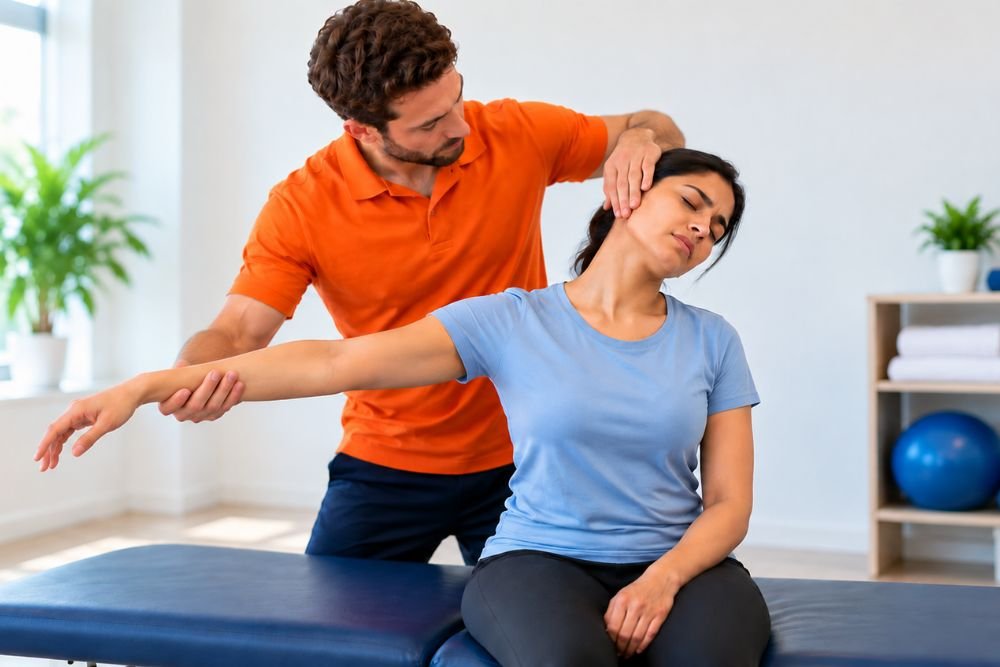
A detailed assessment allows physiotherapists to identify the cause of shoulder pain. During an evaluation for shoulder physiotherapy, the physiotherapist examines shoulder movement, strength, and joint stability.
The assessment process may include:
- Testing shoulder range of motion
- Evaluating muscle strength
- Identifying movements that cause discomfort
- Assessing posture and shoulder alignment
- Reviewing activity history and previous injuries
Clinics such as Go Run Go Physio perform thorough assessments to determine whether symptoms relate to tendon irritation, muscle weakness, or a rotator cuff tear.
This information guides the development of a personalised rehabilitation programme.
Treatment Methods Used in Rotator Cuff Physiotherapy
A structured treatment plan forms the foundation of rotator cuff physiotherapy. Physiotherapists combine several treatment techniques to support healing and restore shoulder function.
Table: Physiotherapy treatment methods for rotator cuff injuries
| Treatment Method | Purpose |
| Manual therapy | Improves joint mobility and reduces stiffness |
| Soft tissue treatment | Relieves muscle tension around the shoulder |
| Guided strengthening exercises | Restores rotator cuff muscle strength |
| Postural correction | Reduces strain on shoulder tendons |
| Movement retraining | Improves coordination during daily activities |
Treatment plans vary depending on the severity of the injury and the patient’s activity level.
Shoulder Strengthening During Rehabilitation
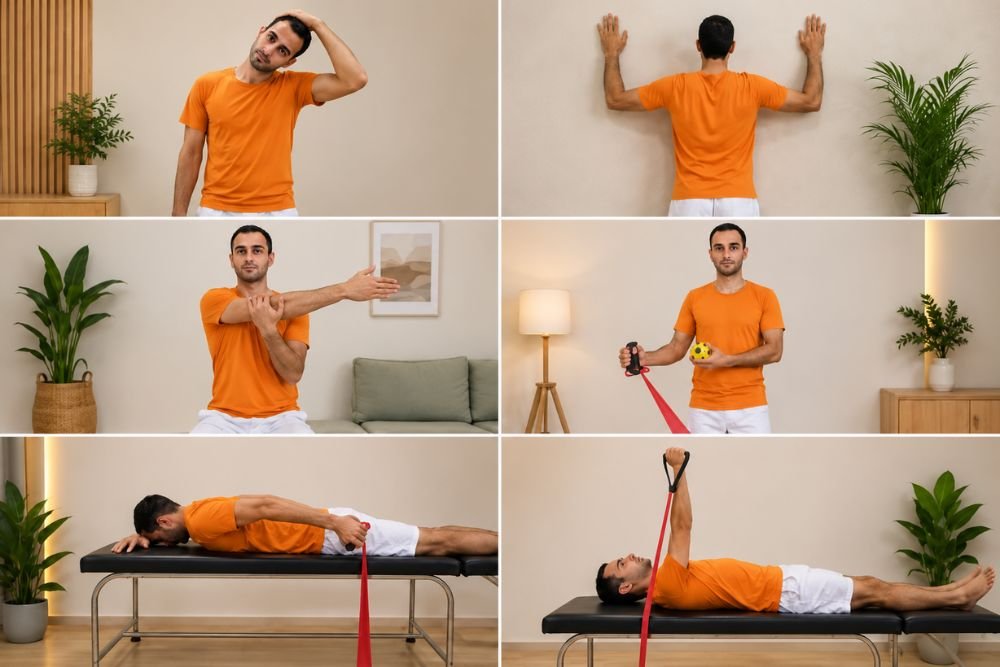
Strength training plays an important role in shoulder rehabilitation. Physiotherapists introduce shoulder strengthening exercises gradually to protect healing tendons while improving muscle stability.
Common strengthening movements used during rotator cuff physiotherapy include:
- External shoulder rotation using resistance bands
- Scapular stabilisation training
- Controlled shoulder elevation movements
- Resistance based arm rotations
- Progressive strengthening of supporting shoulder muscles
These exercises help restore muscle balance and reduce stress on injured tendons.
Physiotherapists guide patients through proper technique to prevent further shoulder irritation.
Can Physiotherapy Heal Rotator Cuff Tear
Many patients ask whether physiotherapy alone can treat rotator cuff injuries. The answer depends on the severity of the tear.
For mild or moderate tendon damage, rotator cuff injury physiotherapy often improves shoulder strength and reduces pain without surgical treatment.
Physiotherapy helps by:
- Improving muscle support around the shoulder joint
- Reducing pressure on injured tendons
- Restoring normal shoulder movement
- Improving joint stability
Larger tears may still require surgical repair. Even in those cases, physiotherapy plays an important role both before and after surgery.
Rotator Cuff Injury Recovery Time
The rotator cuff injury recovery time varies depending on the severity of the injury and the consistency of rehabilitation.
Table: Typical recovery stages during physiotherapy
| Recovery Stage | Treatment Focus | Estimated Duration |
| Early phase | Pain reduction and gentle movement | 2 to 3 weeks |
| Strength development | Muscle activation and stability | 3 to 6 weeks |
| Functional training | Restoring full shoulder movement | 6 to 12 weeks |
| Activity return | Gradual return to sport or physical work | 3 months or longer |
Following a structured physiotherapy plan improves the likelihood of full recovery.
Everyday Habits That Affect Shoulder Healing
Daily habits can influence shoulder recovery. Physiotherapists often provide guidance on reducing strain during the healing period.
Helpful strategies may include:
- Avoiding repetitive overhead lifting
- Maintaining good sitting posture
- Limiting heavy shoulder loads during recovery
- Performing rehabilitation exercises regularly
- Taking breaks during repetitive work tasks
Small adjustments to daily routines help reduce stress on healing shoulder tissues.
When Shoulder Pain Requires Physiotherapy
Persistent shoulder discomfort should not be ignored. Professional evaluation helps identify the underlying cause of pain and guides appropriate treatment.
You may benefit from shoulder injury physiotherapy if you experience:
- Shoulder pain lasting more than two weeks
- Difficulty lifting the arm overhead
- Pain during sleep on one shoulder
- Reduced arm strength
- Ongoing weakness in shoulder rotator cuff
A physiotherapist can assess the shoulder joint and determine the most suitable treatment approach.
How Go Run Go Physio Supports Shoulder Recovery
Patients experiencing shoulder pain often require structured rehabilitation guided by experienced physiotherapists. At Go Run Go Physio, physiotherapists assess shoulder movement, muscle strength, and joint stability before developing a treatment plan.
The clinic focuses on restoring shoulder function through progressive rehabilitation.
Treatment may include:
- Detailed shoulder movement assessment
- Structured rotator cuff physiotherapy programmes
- Progressive shoulder strengthening exercises
- Movement retraining for daily activities
- Guidance on posture and shoulder mechanics
Individuals searching for rotator cuff injury physiotherapy may benefit from professional evaluation and rehabilitation guidance.
Booking a physiotherapy consultation allows early identification of shoulder injuries and supports effective recovery.
Frequently Asked Questions
Q1. Can physiotherapy heal rotator cuff tear without surgery?
Answer: Many mild or moderate tears improve with physiotherapy. Strength training and movement correction help stabilise the shoulder and reduce pain. Severe tears may require surgical repair.
Q2. What are the symptoms of rotator cuff tear?
Answer: Common symptoms include shoulder pain during arm movement, weakness when lifting objects, reduced shoulder mobility, and discomfort when sleeping on the affected side.
Q3. How long does rotator cuff injury recovery time take?
Answer: Recovery duration varies depending on injury severity. Mild injuries may improve within several weeks, while moderate injuries may require several months of rehabilitation.
Q4. Are shoulder strengthening exercises safe for rotator cuff injuries?
Answer: When guided by a physiotherapist, strengthening exercises help restore shoulder stability and reduce the risk of further injury.