
Shoulder pain when lifting an arm is one of the most common reasons people visit a physiotherapist, yet many struggle to understand whether they are dealing with a rotator cuff tear vs. shoulder tendonitis. While both conditions affect the same group of muscles and tendons, they differ in cause, severity, and recovery approach. Knowing how to tell if rotator cuff is torn or inflamed can help you act early and choose the right treatment pathway.
For people seeking physiotherapy for rotator cuff injury, a clear understanding of symptoms, pain location, and recovery options often leads to better outcomes. This guide explains the differences in simple terms and outlines treatment options available, including support from Go Run Go Physio.
Understanding shoulder pain and rotator cuff function
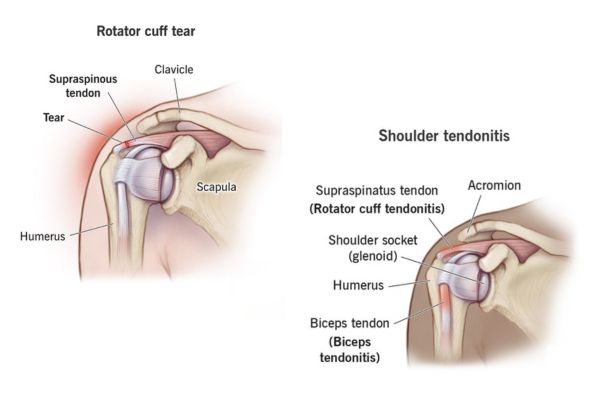
The shoulder joint allows a wide range of motion, making it one of the most flexible joints in the body. The rotator cuff is a group of four muscles and their tendons that stabilise the shoulder and allow smooth arm movement.
When these tendons become irritated or damaged, you may experience pain, weakness, or reduced mobility. This is where conditions like tendonitis or tears begin to affect daily activities such as lifting, reaching, or even sleeping comfortably.
Rotator cuff tear vs tendonitis explained
Although both conditions involve the same area, the difference lies in the extent of tissue damage.
| Feature | Rotator Cuff Tear | Shoulder Tendonitis |
| Nature of injury | Partial or complete tear in tendon | Inflammation or irritation of tendon |
| Onset | Sudden or gradual | Usually gradual |
| Pain intensity | Moderate to severe | Mild to moderate |
| Movement limitation | Often significant | Usually mild to moderate |
| Weakness | Common | Less common |
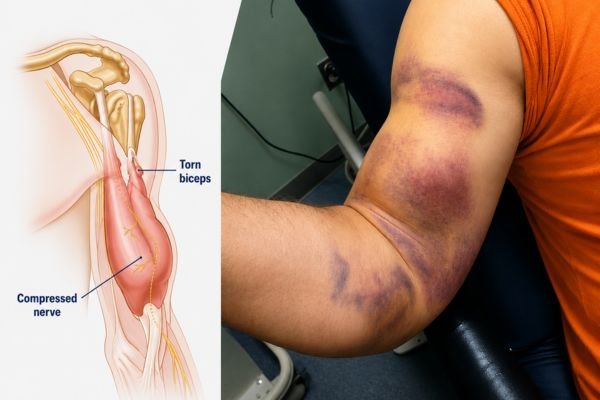
A rotator cuff tear involves structural damage, while tendonitis refers to inflammation caused by overuse or strain.
Pain location and symptom differences
Understanding rotator cuff tear vs tendonitis pain location helps in early identification.
People with tendonitis often feel a dull ache on the outer shoulder, which worsens with movement. In contrast, a tear may produce sharper pain and noticeable weakness.
Common symptoms include:
- Shoulder pain when lifting arm above head
- Pain when lying on the affected side
- Reduced range of motion
- Weakness when reaching or carrying objects
With tendonitis, pain may ease with rest. With a tear, weakness tends to persist even when pain settles.
Causes and risk factors
Both conditions develop due to strain on the shoulder, but certain factors increase the risk.
Frequent overhead movements such as sports or manual work can irritate the tendons over time. Age-related wear also plays a role, as tendons lose elasticity and become more prone to injury.
Other contributing factors include poor posture, muscle imbalance, and sudden increases in activity.
How to tell if rotator cuff is torn or inflamed
Many people ask how to tell if a rotator cuff is torn or inflamed without imaging. While only a professional diagnosis can confirm it, some signs can guide you.
A tendonitis case often presents as:
- Gradual onset of pain
- Pain that improves with rest
- Mild discomfort during movement
A tear may present as:
- Sudden sharp pain after an activity
- Difficulty lifting the arm
- Noticeable weakness
- Trouble performing simple tasks like combing hair
If symptoms persist beyond a few weeks, an assessment is necessary.
Diagnosis and assessment process
A physiotherapist will assess your shoulder using movement tests, strength evaluation, and pain response. This helps determine whether the issue is inflammation or structural damage.
In some cases, imaging such as ultrasound or MRI may be required to confirm the extent of injury. Clinics like Go Run Go Physio focus on identifying the root cause rather than just managing symptoms.
Treatment options for shoulder tendonitis
The best treatment for shoulder tendonitis usually involves conservative care.
Physiotherapy plays a central role in reducing pain and restoring movement. Early management can prevent the condition from progressing into a tear.
Treatment may include:
- Guided physiotherapy for rotator cuff injury
- Manual therapy to reduce stiffness
- Gradual strengthening programmes
- Activity modification
Home-based shoulder tendonitis exercises at home also support recovery when done correctly.
Can physio fix rotator cuff tear
A common concern is whether can physio fix rotator cuff tear without surgery.
The answer depends on the severity of the tear. Partial tears often respond well to physiotherapy. Strengthening surrounding muscles can improve function and reduce pain.
Even in more serious cases, physiotherapy is often the first step before considering surgical options.
Working with the best physio for rotator cuff injury improves the chances of recovery and helps avoid unnecessary procedures.
Recovery timelines and expectations
Recovery varies depending on the condition and its severity.
For tendonitis, improvement may occur within a few weeks with consistent care. For tears, rotator cuff tear recovery time without surgery can range from several weeks to a few months. Patience and adherence to treatment plans are essential.
Ignoring symptoms may lead to prolonged discomfort or worsening injury.
Physiotherapy exercises and home care
Targeted movement programmes are a core part of recovery.
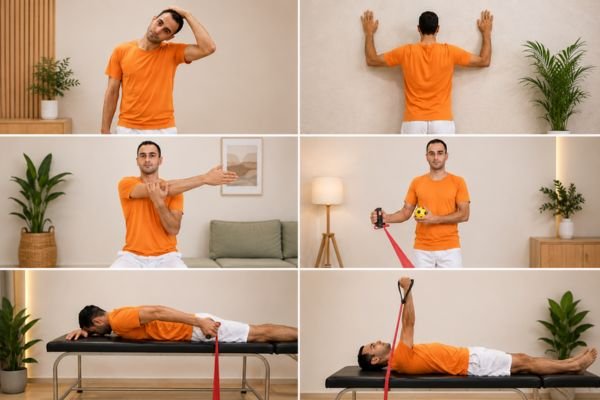
Physio exercises for shoulder pain aim to restore strength, flexibility, and coordination. These movements should be performed under guidance to avoid further strain.
Common approaches include controlled strengthening, mobility work, and posture correction.
Exercises for rotator cuff tear often begin with gentle activation and progress gradually. Similarly, shoulder tendonitis exercises at home focus on reducing irritation while maintaining mobility.
Consistency matters more than intensity when it comes to recovery.
When to see a physiotherapist
You should consider professional care if:
- Pain persists beyond two weeks
- You experience weakness in the arm
- Daily activities become difficult
- Sleep is affected due to shoulder pain
Early intervention often leads to faster recovery and reduces the risk of long-term issues.
Go Run Go Physio offers structured programmes designed for shoulder injuries, helping individuals return to normal activity safely.
Ready to move your shoulder without pain again?
Shoulder pain does not usually settle by ignoring it. The longer it stays, the more it affects strength, movement, and daily comfort.
If you are dealing with shoulder pain when lifting arm or trying to figure out Rotator Cuff Tear vs Shoulder Tendonitis, the right guidance can make recovery smoother and faster.
At Go Run Go Physio, the focus is on practical treatment that helps you return to normal movement without unnecessary delays. If you are looking for the best physio for rotator cuff injury, booking an assessment can be the first step towards getting your shoulder back on track.
Frequently Asked Questions
Q1. How do I know if my shoulder pain is tendonitis or a tear?
Answer: Tendonitis usually causes a dull ache that improves with rest, while a tear often results in weakness and difficulty lifting the arm.
Q2. Can shoulder tendonitis heal on its own?
Answer: Mild cases may improve with rest, but physiotherapy helps speed up recovery and prevents recurrence.
Q3. Is surgery always needed for a rotator cuff tear?
Answer: No, many partial tears respond well to physiotherapy without surgery.
Q4. What is the best treatment for shoulder tendonitis?
Answer: A combination of physiotherapy, guided movement, and activity modification works well for most cases.
Q5. How long does a rotator cuff tear take to heal without surgery?
Answer: Recovery may take several weeks to months depending on the severity and consistency of treatment.
Q6. Are home exercises enough for recovery?
Answer: Home programs help, but guidance from a physiotherapist improves outcomes and reduces risk of reinjury.
Q7. When should I see a physio for shoulder pain?
Answer: If pain lasts more than two weeks or affects daily movement, it is best to seek professional advice.