
Introduction
Physiotherapy at Home has become a practical option for people who want recovery support without regular clinic visits. Many individuals dealing with joint pain, muscle stiffness, or reduced mobility find it easier to stay consistent when care fits around daily life. Home based care supports recovery through structured movement routines, professional guidance, and ongoing progress tracking. For people managing back pain, knee issues, shoulder discomfort, or neck stiffness, receiving physiotherapy guided home exercises can support strength, mobility, and confidence while staying in familiar surroundings.
This approach suits those who value comfort, privacy, and flexible scheduling, while still receiving professional input from qualified physiotherapists.
Why Physiotherapy at Home Is Growing in Demand
Many people face barriers when attending regular clinic appointments. Work schedules, transport limitations, caring responsibilities, or pain during travel can delay recovery. Physiotherapy at Home offers a practical solution by bringing professional care into the home setting.
This approach suits individuals who need consistent guidance but prefer fewer disruptions to daily routines. Home based care also supports those recovering after surgery or managing long term conditions where regular clinic visits feel demanding.
How Home Based Physiotherapy Supports Recovery
Recovery depends on movement quality, regular practice, and professional guidance. Home physiotherapy services focus on these elements by building routines that match the person’s physical ability and living environment.
Support usually includes:
- Initial assessment of movement and pain patterns
- Personalised movement planning
- Ongoing supervision and adjustment
- Education around posture, pacing, and body awareness
This structure helps people stay active while avoiding unnecessary strain.
Role of Structured Home Movement Programs
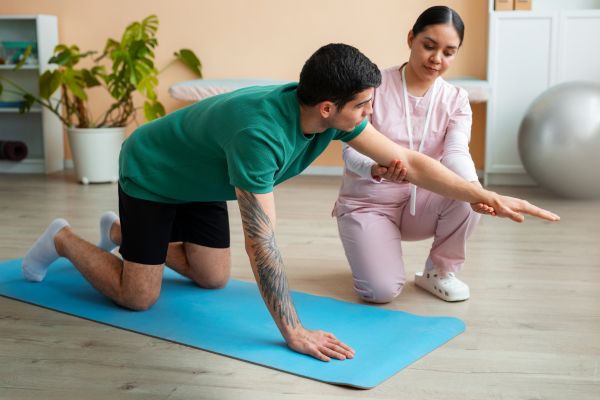
Structured programs guide the body through safe movement patterns that support healing and strength. Physiotherapy guided home exercises focus on gradual progress rather than intensity.
Key features include:
- Clear instructions for each movement
- Focus on posture and control
- Progression based on recovery pace
- Integration into daily routines
These programs help people understand how their body responds to movement, building confidence over time.
Benefits of Physiotherapy at Home for Daily Life
The benefits of physiotherapy at home extend beyond physical recovery. Many people report improved routine consistency and reduced stress.
Common benefits include:
- Care delivered in a familiar environment
- Reduced travel time and physical strain
- Flexible appointment scheduling
- Greater confidence performing movements independently
- Improved long term adherence
Home based support often suits people who prefer one on one attention without the busy atmosphere of clinics.
Common Conditions Managed with Home Physiotherapy
Home physiotherapy services support a wide range of conditions that affect movement and comfort.
These include:
- Lower back pain
- Knee stiffness or recovery after joint issues
- Shoulder discomfort affecting daily tasks
- Neck pain linked to posture or desk work
- Reduced mobility following surgery
Each program is adjusted to match the condition, pain level, and daily demands.
Back Pain Support Through Home Programs
Back pain often links to posture, muscle control, and daily habits. Back pain home exercises focus on gentle movement patterns that support spinal control and reduce stiffness.
Support may include:
- Movement routines that improve spinal mobility
- Core stability activities for daily tasks
- Education around sitting and lifting habits
- Gradual return to normal movement
Home based care allows physiotherapists to observe how individuals move within their own space, leading to practical guidance that fits real life.
Knee Recovery Support at Home
Knee physiotherapy at home suits people recovering from joint pain, surgery, or reduced mobility. Programs focus on restoring movement control and strength while protecting the joint.
Care often includes:
- Controlled bending and straightening movements
- Muscle strengthening around the knee
- Balance and walking support
- Guidance on stairs and daily movement
Home based routines help people practise safely without the pressure of unfamiliar equipment.
Shoulder Mobility and Strength at Home
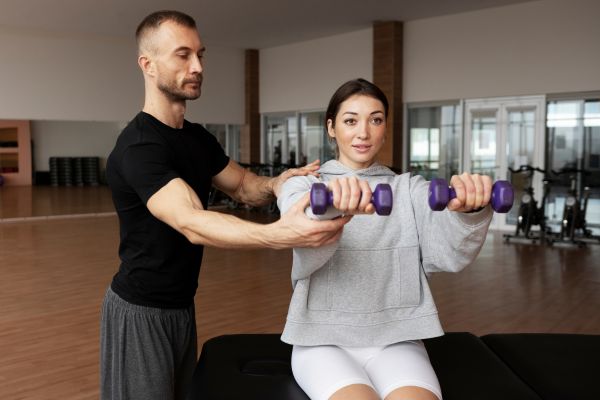
Shoulder discomfort can affect dressing, lifting, and sleep. Shoulder physiotherapy exercises delivered at home support gradual return to comfortable movement.
Programs may include:
- Controlled arm movements
- Scapular stability work
- Postural guidance
- Progression based on comfort
Home sessions allow physiotherapists to tailor movements around household tasks such as reaching cupboards or lifting light items.
Neck Pain Care Without Clinic Visits
Neck pain physiotherapy at home suits people whose discomfort links to desk work, stress, or posture habits. Home programs focus on controlled movement and awareness.
Support often includes:
- Gentle neck mobility routines
- Upper body posture guidance
- Education around screen height and seating
- Breathing and relaxation strategies
Receiving care at home helps integrate posture changes into daily routines.
How Physiotherapists Guide Home Programs
Physiotherapists play a central role in planning, supervising, and adjusting home programs. Guidance does not stop after the first visit.
Ongoing support includes:
- Monitoring progress and comfort
- Adjusting movement routines
- Answering questions during recovery
- Supporting confidence with independent practice
This professional input helps people stay on track while avoiding setbacks.
Safety and Progress Monitoring
Safety remains a priority during home based physiotherapy. Physiotherapists assess movement tolerance and adjust routines based on feedback.
Monitoring includes:
- Pain response after sessions
- Movement quality during routines
- Functional improvement in daily tasks
- Gradual progression at a suitable pace
Clear communication between client and physiotherapist supports steady improvement.
Home Based Care vs Clinic Care
| Aspect | Home Based Physiotherapy | Clinic Based Physiotherapy |
| Environment | Familiar surroundings | Clinical setting |
| Travel | No travel required | Travel needed |
| Personalisation | High, based on home layout | Equipment focused |
| Scheduling | Flexible | Fixed appointment times |
| Comfort | Familiar and private | Shared environment |
This comparison helps individuals decide which approach suits their needs.
Choosing the Right Provider
Selecting a provider involves checking professional qualifications, experience, and communication style. Go Run Go Physio offers home based support focused on practical recovery and clear guidance.
When choosing a provider, consider:
- Experience with home based care
- Clear communication and education
- Personalised planning
- Ongoing progress support
A trusted provider supports confidence throughout recovery.
Final Thoughts
Physiotherapy at Home supports recovery by combining professional guidance with practical movement routines that fit daily life. For people seeking structured care without clinic visits, home based support offers a flexible and effective path toward improved movement and comfort. Go Run Go Physio continues to support individuals through personalised home physiotherapy services designed around real life needs.
Frequently Asked Questions
Q1. Is Physiotherapy at Home suitable for long term pain conditions?
Answer: Yes, home based care suits many long term conditions by supporting gradual improvement and routine consistency.
Q2. How often are home sessions usually scheduled?
Answer: Frequency depends on the condition, recovery stage, and individual needs, often adjusted over time.
Q3. Are home programs adjusted as recovery progresses?
Answer: Yes, physiotherapists regularly modify routines based on progress and comfort.
Q4. Do I need special equipment for home physiotherapy?
Answer: Most programs use minimal equipment, often household items or simple tools if needed.
Q5. Can home physiotherapy help after surgery?
Answer: Yes, it supports early movement, confidence, and gradual return to daily tasks.