
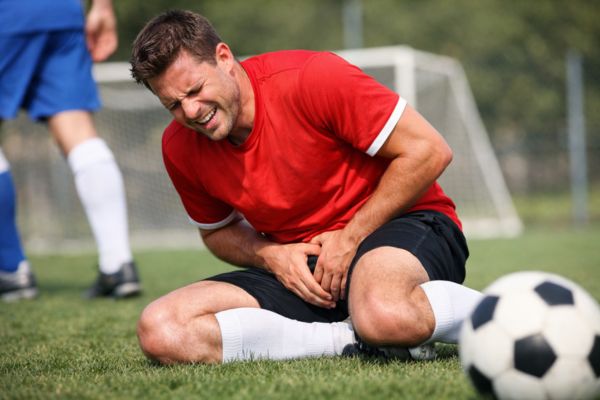
Groin Pain in Athletes is a frequent reason people involved in sport and regular training look for physiotherapy support. This type of pain can affect performance, confidence and long term participation if it is not managed properly. Many athletes try to train through discomfort or rest without guidance, which often leads to longer recovery times. Understanding how groin pain develops, what structures are involved and how physiotherapy management works can help athletes make informed decisions about care and recovery.
Groin pain is rarely linked to a single issue. It often involves muscles, tendons, joints and movement patterns working together under load. For athletes, this area is placed under repeated stress during running, kicking, twisting and sudden changes of direction. A structured approach through groin pain physiotherapy focuses on identifying contributing factors, restoring movement quality and supporting a safe return to sport.
Understanding Groin Pain in Active Individuals
The groin region includes a group of muscles, tendons and joints that play a major role in stabilising the pelvis and controlling leg movement. These structures work hard during sport to transfer force between the lower body and trunk. When the load placed on this area exceeds what the tissues can handle, pain may develop.
Groin pain is often described as discomfort in the inner thigh, lower abdomen or front of the hip. In athletes, symptoms may start gradually or appear suddenly after a specific movement. Without proper assessment, pain may persist or return once training resumes.
Common Causes of Groin Pain in Athletes
There are several recognised causes of groin pain in athletes. These causes may exist on their own or overlap, which is why accurate assessment matters.
Adductor muscle related pain
The adductor muscles run along the inner thigh and assist with stabilising the leg during running and directional changes. Overload, poor strength balance or rapid training changes can irritate these muscles or their tendons.
Hip joint related pain
The hip joint plays a major role in absorbing load during sport. Reduced hip movement or joint irritation can place extra stress on nearby muscles, including the groin.
Abdominal and pelvic involvement
The lower abdominal muscles and pelvic structures work closely with the groin muscles. Reduced control or weakness in this region may contribute to ongoing pain.
Overuse and training load issues
Sudden increases in training volume, intensity or frequency often contribute to groin pain. Athletes returning from time away from sport are also at risk if load is not progressed carefully.
Mechanisms of Injury During Sport
Understanding how groin injuries occur helps guide physiotherapy management. Many injuries develop without a clear single event.
Repetitive loading
Sports involving frequent running, kicking or skating place repeated stress through the groin. Over time, tissues may struggle to recover between sessions.
Sudden changes of direction
Quick pivots and lateral movements demand strong coordination between the hips, pelvis and core. Poor movement control may increase strain on the groin.
Forceful kicking or striking actions
Sports that involve repeated kicking place high load through the adductors and surrounding tissues. Fatigue can increase injury risk.
Reduced recovery time
Limited rest between training or competition can prevent tissue repair, leading to ongoing irritation.
Sports Commonly Linked With Groin Pain
Groin pain is seen across many sporting codes. Athletes participating in the following activities often seek groin pain treatment:
- Football codes involving kicking and sprinting
- Hockey and lacrosse
- Netball and basketball
- Running and trail running
- Martial arts and combat sports
While these sports differ, the underlying movement demands often share similar stress patterns through the groin region.
Symptoms That Should Not Be Ignored
Early recognition of symptoms allows timely management. Athletes may notice:
- Inner thigh discomfort during or after activity
- Pain with sprinting or kicking
- Stiffness in the hip or pelvis
- Reduced power or confidence during sport
- Pain that eases with rest but returns on activity
Ignoring these signs may lead to longer recovery times or secondary issues.
Clinical Assessment for Groin Pain Physiotherapy
Effective groin pain physiotherapy starts with a detailed assessment. Physiotherapists look beyond the painful area to identify contributing factors.
History and symptom behaviour
Understanding when pain began, what activities trigger symptoms and how it responds to rest helps guide decision making.
Movement assessment
Walking, running, squatting and sport specific movements provide insight into load distribution and control.
Strength and flexibility testing
Assessment of hip, groin and trunk strength identifies areas needing support. Movement range is also considered.
Load tolerance
How tissues respond to graded loading helps determine appropriate management strategies.
Role of Physiotherapy in Groin Pain Management
Sports physiotherapy for groin injuries focuses on restoring movement quality and tissue capacity rather than simply reducing symptoms.
Education and guidance
Clear explanations help athletes understand why pain developed and how recovery can occur safely.
Load management strategies
Physiotherapists guide athletes on modifying training to allow healing while maintaining fitness where possible.
Manual therapy when appropriate
Hands on techniques may be used to support movement and comfort, depending on individual presentation.
Progressive rehabilitation planning
A structured plan supports gradual improvement without unnecessary flare ups.
Groin Pain Physiotherapy Exercises and Loading Strategies
Targeted movement and strength work plays a central role in groin pain treatment. Programs are individualised based on assessment findings.
Early stage management
During the early phase, focus is placed on reducing symptom irritation while maintaining gentle movement. This may include:
- Controlled hip and groin movements
- Isometric strength work within comfort limits
- Low impact cardiovascular options
Progressive strengthening
As symptoms settle, loading is gradually increased. Areas often addressed include:
- Adductor muscle strength
- Hip stabilisers
- Trunk and pelvic control
Sport specific preparation
Later stages aim to prepare the athlete for sport demands through:
- Change of direction drills
- Controlled running progressions
- Skill based movement under fatigue
Consistency and appropriate progression are essential for lasting improvement.
Factors Influencing Recovery Time
| Factor | Influence on Recovery |
| Severity of symptoms | More severe pain may need longer management |
| Duration before care | Early support often shortens recovery |
| Training load control | Well managed load supports tissue healing |
| Adherence to guidance | Following physiotherapy advice improves outcomes |
Return to Sport Planning and Injury Reduction
Returning to sport too quickly can lead to recurrence. Physiotherapists guide athletes through gradual exposure to sport demands.
Readiness indicators
Before returning fully, athletes should demonstrate:
- Minimal pain during sport movements
- Adequate strength and control
- Confidence in performance tasks
Ongoing management strategies
Even after symptoms settle, maintaining strength and load awareness helps reduce future issues.
When to Seek Professional Support
Athletes should consider professional input if groin pain:
- Persists for more than a few weeks
- Limits training or competition
- Returns repeatedly after rest
- Appears alongside hip or lower abdominal discomfort
Early physiotherapy input often supports smoother recovery and reduces time away from sport.
How Go Run Go Physio Supports Athletes With Groin Pain
At Go Run Go Physio, groin pain physiotherapy focuses on detailed assessment, clear communication and practical management strategies. Care is tailored to the individual athlete, training demands and goals. The focus remains on supporting safe movement, confidence and long term participation in sport.
Frequently Asked Questions
Q1. How long does groin pain take to settle in athletes?
Answer: Recovery time varies depending on the cause, severity and how early care begins. Some athletes notice improvement within weeks, while others require longer support.
Q2. Should athletes stop all activity with groin pain?
Answer: Complete rest is not always required. Modified activity under guidance often supports better outcomes than stopping completely.
Q3. Can groin pain return after recovery?
Answer: Yes, recurrence can occur if underlying factors are not addressed. Ongoing strength and load management help reduce this risk.
Q4. Is imaging always required for groin pain?
Answer: Imaging is not always necessary. Clinical assessment often provides enough information to guide care.