
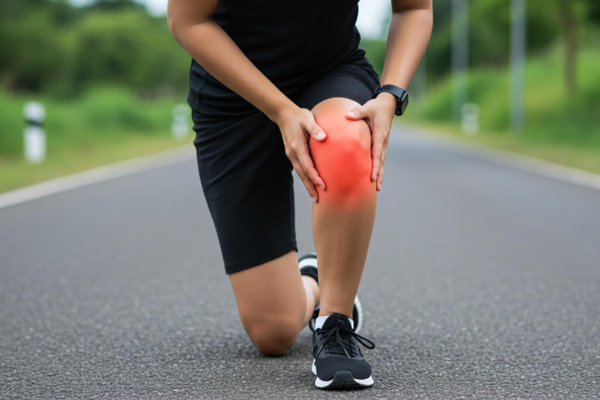
Pain around or behind the patella can make everyday movement difficult. Many people notice discomfort while walking upstairs, squatting, running, or sitting for long periods. Patellofemoral pain syndrome often starts as mild irritation, but symptoms may become persistent when the underlying problems remain untreated. Runners, gym users, football players, office workers, and active adults commonly develop this condition without realising how their movement habits affect the knee joint.
Many cases of knee pain while running or knee pain when climbing stairs do not begin from a single injury. The pain usually builds over time because of repeated stress on the patella and surrounding structures. Small movement issues, muscle weakness, training errors, and delayed treatment often keep the pain active for months.
This guide explains seven common problems linked to patellofemoral pain syndrome and how physiotherapy may help reduce pain, improve movement, and support recovery.
Why Pressure Increases Around The Patellofemoral Joint
The patella sits within a groove at the front of the knee joint. During walking, running, squatting, and stair climbing, the patella glides through this groove while surrounding muscles control movement. When pressure through the joint becomes uneven, irritation develops behind the patella.
People with patellofemoral pain syndrome often notice pain during activities that increase compression through the knee joint. This explains why many people feel discomfort while climbing stairs, running downhill, or standing up from a chair.
The amount of force through the patellofemoral joint rises during:
| Activity | Knee Joint Stress Level |
| Flat walking | Low |
| Stair climbing | Moderate to high |
| Running | High |
| Deep squatting | Very high |
| Jump landing | Very high |
This repeated pressure irritates the cartilage and soft tissue around the patella. Over time, the knee becomes sensitive even during smaller movements.
Problem 1: Ignoring Early Pain Signals
Many people continue training despite pain behind patella because the discomfort feels manageable at first. The pain may disappear after warming up, which often creates the false impression that the knee is improving.
Early symptoms commonly include:
- Mild ache after running
- Knee pain when climbing stairs
- Pain after sitting for long periods
When symptoms continue for several weeks, the nervous system becomes more sensitive to loading. At this stage, activities that once felt comfortable begin triggering pain faster.
Ignoring symptoms may also change movement patterns. Some people unconsciously shift body weight away from the painful side, increasing strain through the hips, ankles, and opposite knee.
Early physiotherapy assessment may help identify movement faults before the pain becomes persistent.
Problem 2: Weak Hip Control Affecting Knee Position
The knee does not work alone. Hip strength strongly influences how the patella tracks during movement.
Weakness in the glute muscles may allow the thigh to rotate inward during running, stair climbing, or lunging. This inward movement increases stress around the patella and contributes to patellofemoral pain syndrome.
Research regularly links poor hip strength with knee pain while running, particularly in distance runners and active adults.
People often focus only on the knee itself, yet the contributing issue may begin higher up the movement chain.
Signs that hip weakness may contribute to symptoms include:
- Knees collapsing inward during squats
- Poor balance on one leg
- Hip fatigue during walking or running
- Pain increasing during downhill movement
- Reduced control during landing tasks
Sports physio for knee pain often includes hip strengthening because better control through the pelvis and thigh reduces pressure on the patellofemoral joint.
Problem 3: Running Through Fatigue
Many runners increase training volume too quickly after feeling improvement. Sudden changes in distance, pace, hills, or footwear often overload the knee joint before tissues adapt.
Can running cause patellofemoral pain syndrome? In many cases, yes. Running itself is not always the main issue, but training errors frequently contribute to irritation around the patella.
Common running factors linked to knee pain include:
| Running Habit | Possible Effect on Knee |
| Sudden mileage increase | Increased patellofemoral joint stress |
| Downhill running | Higher joint compression |
| Weak running mechanics | Poor force distribution |
| Limited recovery time | Tissue overload |
| Running through fatigue | Reduced muscle control |
Some runners also return to sport too early after injury. Pain may settle temporarily, but the underlying loading issue remains unresolved.
A structured rehabilitation plan often allows runners to continue some level of activity while reducing aggravation.
Problem 4: Tight Muscles Restricting Joint Mechanics
Muscle tightness around the hips and thighs may alter patella movement. Restricted quadriceps, hamstrings, calves, or iliotibial band tension can increase pulling forces around the knee.
Tight tissue does not always create patellofemoral pain syndrome on its own, but stiffness combined with weakness and poor loading patterns often increases symptoms.
People with desk-based jobs may develop reduced mobility from prolonged sitting. Athletes training without recovery work may also notice increasing stiffness over time.
Signs linked with reduced flexibility include:
- Knee stiffness after sitting
- Tightness during squatting
- Pain during downhill walking
Mobility work forms one part of rehabilitation, although strengthening remains equally important.
Problem 5: Choosing The Wrong Rehabilitation Exercises
One of the largest recovery barriers is performing exercises that overload the knee too early.
Many people search online for the best exercises for runner’s knee, but not every movement suits every stage of recovery. Deep squats, jumping drills, or high-load lunges may worsen symptoms if introduced too quickly.
Effective rehabilitation usually follows gradual progression. Early treatment often focuses on reducing irritation while improving muscle control. Later stages may include strength training, running drills, balance work, and sport-specific movement.
The right programme depends on:
- Pain severity
- Running volume
- Movement quality
- Hip and knee strength
- Daily activity demands
A sports physio for knee pain can adjust rehabilitation based on symptom response instead of following a generic online plan.
Problem 6: Inappropriate Footwear And Training Load Exposure
Footwear plays a role in how force travels through the lower limb during walking and running. Shoes that have lost stability or no longer suit an individual’s running pattern may increase stress around the patella.
Training surfaces may also influence symptoms. Repetitive running on hard ground, sloped paths, or uneven terrain can increase joint irritation in people with patellofemoral pain syndrome.
Some runners experience worsening knee pain while running after sudden changes in footwear, training intensity, or running frequency. These changes may affect lower limb mechanics and increase pressure through the patellofemoral joint.
Factors commonly linked with symptom aggravation include:
- Worn running shoes with reduced support
- Sudden increase in hill running or speed work
- Repetitive training on hard surfaces
Running assessment and physiotherapy guidance may help identify loading issues contributing to ongoing symptoms.
Problem 7: Delayed Assessment And Incomplete Rehabilitation
Many people continue managing symptoms independently for several months before seeking professional advice. During this time, altered movement patterns, reduced muscle strength, and lower activity tolerance may gradually develop.
Persistent pain behind the patella often becomes more difficult to settle when rehabilitation is delayed or incomplete. Some individuals stop exercising once symptoms reduce, despite underlying weakness and movement deficits remaining present.
This may contribute to repeated flare ups during:
- Running progression
- Stair climbing
- Sporting activity
How to fix patellofemoral pain syndrome depends on identifying the contributing factors affecting each individual. A structured physiotherapy programme may include strength progression, movement retraining, running modification, and load management strategies based on symptom behaviour.
Go Run Go Physio provides physiotherapy support aimed at improving knee function, reducing recurrent irritation, and helping active adults return to movement with greater confidence.
Why Daily Activities Often Trigger Pain
Patellofemoral Pain Syndrome affects more than sporting activity. Many people notice symptoms during ordinary tasks because the patellofemoral joint experiences pressure during repeated bending movements.
Common aggravating activities include:
| Daily Activity | Why Pain Increases |
| Stairs | Higher patellofemoral joint compression |
| Sitting long periods | Joint stiffness develops |
| Squatting | Increased force through the patella |
| Running downhill | Greater load during landing |
| Kneeling | Direct pressure on front knee |
Pain levels often fluctuate depending on activity load across the week.
Physiotherapy Approaches That May Help
Effective physiotherapy management usually combines several treatment areas rather than focusing on one structure alone.
Treatment may include movement assessment, strengthening, mobility work, running advice, load management, and education about recovery timelines.
Rehabilitation often focuses on improving:
- Hip strength
- Quadriceps control
- Running mechanics
- Single leg stability
- Knee loading tolerance
- Movement confidence
Most people improve gradually rather than overnight. Consistency matters more than aggressive training.
Recovery Expectations
Recovery time varies depending on symptom duration, training habits, strength levels, and daily activity demands.
Milder cases sometimes improve within several weeks, while persistent pain may require several months of structured rehabilitation.
Many people continue exercising during treatment with modified loading. Complete rest rarely solves the issue long term because the knee still needs gradual strengthening.
The goal is improving the knee’s ability to tolerate movement again without excessive irritation.
When To Book A Physiotherapy Assessment
Professional assessment may help if you experience:
- Knee pain while running more than twice weekly
- Pain behind patella during stairs or squatting
- Swelling or stiffness after activity
Early treatment often reduces the risk of long term irritation and recurring flare ups.
Go Run Go Physio provides physiotherapy support for active adults, runners, and people struggling with ongoing patellofemoral joint pain.
Moving Forward With Better Knee Health
Patellofemoral Pain Syndrome often develops from several combined factors rather than one isolated issue. Ongoing pain behind patella, knee pain while running, and discomfort during stairs usually improve more effectively when treatment addresses movement control, strength, training habits, and recovery patterns together.
Early physiotherapy guidance may reduce irritation before symptoms become persistent. Structured rehabilitation helps many people return to running, sport, gym training, and daily movement with better knee confidence and reduced pain.
Go Run Go Physio provides physiotherapy care focused on movement quality, strength recovery, and long term knee management for active individuals dealing with persistent patellofemoral joint pain.
Frequently Asked Questions
Q1. Can running cause patellofemoral pain syndrome?
Answer: Yes. Running may contribute when training volume increases too quickly or when movement mechanics place excessive stress through the patellofemoral joint. Weak hip muscles and poor recovery habits also increase risk.
Q2. Why does my knee hurt when climbing stairs?
Answer: Stair climbing increases compression through the patellofemoral joint. People with Patellofemoral Pain Syndrome often feel pain because irritated tissue becomes sensitive during loaded bending movements.
Q3. How to fix patellofemoral pain syndrome?
Answer: Recovery usually involves reducing aggravating loads, improving hip and knee strength, correcting movement habits, and gradually returning to activity. Physiotherapy helps guide this process safely.
Q4. What are the best exercises for runner’s knee?
Answer: The best exercises depend on your symptoms and strength levels. Many rehabilitation programmes include glute strengthening, quadriceps control work, balance training, and progressive loading drills.
Q5. Is rest enough for patellofemoral joint pain?
Answer: Complete rest alone rarely solves the issue long term. The knee normally needs gradual strengthening and movement retraining to improve tolerance for activity.
Q6. Can physiotherapy help knee pain while running?
Answer: Yes. Sports physio for knee pain often includes running assessment, strength testing, rehabilitation planning, and load management strategies.
Q7. Are home physiotherapy services useful for knee pain?
Answer: Home physiotherapy services may help people who struggle with mobility, busy schedules, or ongoing discomfort during travel.