 +61 401 458 166
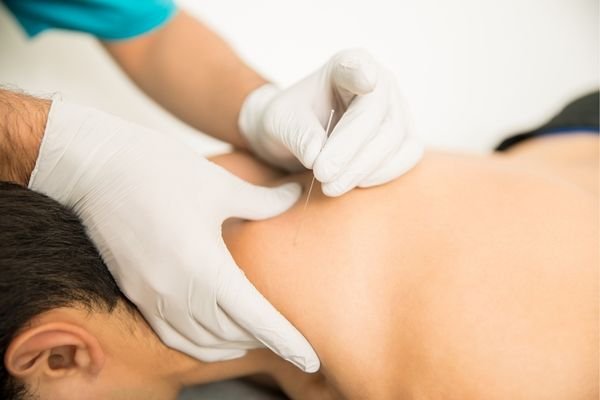
Table of Content
- Introduction: Understanding Dry Needling in Physiotherapy
- What is Dry Needling and How Does It Work?
- Conditions Commonly Treated with Dry Needling
- Benefits of Dry Needling
- Is Dry Needling Safe? Understanding the Side Effects
- Who Should Consider Dry Needling?
- What Happens During a Dry Needling Session?
- Why Choose a Local Expert in South-East Melbourne
- FAQs
- Final Thoughts
Introduction: Understanding Dry Needling in Physiotherapy
Dry needling in physiotherapy has gained increasing attention in recent years, especially among patients looking for effective relief from muscle pain, joint discomfort, and sports injuries. Whether you’re recovering from a long-term condition or dealing with an acute issue, many Australians are exploring this treatment to improve mobility and reduce pain levels without relying solely on medication.
At Go Run Go Physio, physiotherapists integrate clinical dry needling into broader rehabilitation programmes, particularly for those dealing with musculoskeletal pain across the back, shoulders, hips and legs.
Let’s look at how dry needling works and which conditions benefit most from this method.
What is Dry Needling and How Does It Work?
Dry needling is a technique used by qualified physiotherapists to target myofascial trigger points tight bands of muscle that often cause pain and restrict movement. Despite the similarity in tools, dry needling is not the same as acupuncture. It is based on modern Western medicine principles rather than traditional Chinese medicine.
How does dry needling work?
- Thin, sterile needles are inserted directly into the affected muscle tissue.
- This stimulates a local twitch response, helping to release tension in the muscle.
- The goal is to reduce muscle tightness, improve blood flow, and reset the muscle’s function.
This method is widely used in treating chronic pain, sports injuries, and postural issues.
Conditions Commonly Treated with Dry Needling
Dry needling can benefit a wide range of physical conditions. Here are five of the most common reasons patients seek this treatment at Go Run Go Physio in South-East Melbourne.
Muscle Tightness and Trigger Points
Trigger points can feel like painful knots in your muscles. They restrict movement and may refer pain to other parts of the body.
Dry needling can:
- Help deactivate trigger points
- Promote relaxation of overactive muscle groups
- Reduce referred pain
Patients often report significant improvement in range of motion and muscle stiffness relief after treatment.
Back Pain
Dry needling for back pain is one of the most requested applications.
It can help with:
- Lower back tension caused by prolonged sitting or poor posture
- Upper back strain linked to computer work or repetitive lifting
- Managing discomfort in sciatic-related pain by addressing nearby muscular tightness
Combined with other physiotherapy techniques, dry needling may shorten recovery time and help reduce reliance on pain medications.
Shoulder Pain
Dry needling for shoulder pain can be helpful in managing:
- Rotator cuff injuries
- Frozen shoulder (adhesive capsulitis)
- Posture-related muscular pain
The technique targets the muscles around the shoulder blade, often reducing localised inflammation and restoring joint mobility.
Sports Injuries
Athletes often turn to dry needling as part of their sports injury rehabilitation plan.
Common use cases include:
- Hamstring strains
- Calf tightness
- Quadriceps overuse
- IT band syndrome
It helps with quicker recovery, improved muscle activation, and injury prevention during high-performance activities.
Chronic Pain Conditions
Long-term pain can often be muscular in origin, even if it presents differently.
Conditions dry needling may help manage include:
- Fibromyalgia
- Tension-type headaches
- Chronic pelvic pain
- Temporomandibular joint (TMJ) dysfunction
In these cases, dry needling works as part of a wider pain management plan focusing on desensitising the nervous system.
Benefits of Dry Needling
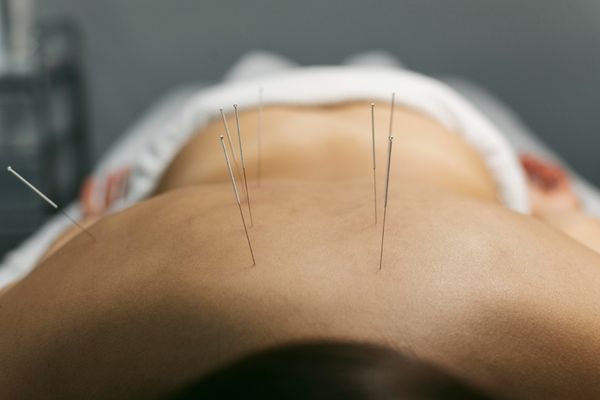
The benefits of dry needling go beyond temporary relief.
Some of the key outcomes include:
- Reduced muscle tightness
- Faster recovery from injury
- Improved joint mobility
- Enhanced circulation
- Lowered pain sensitivity
- Complement to other soft tissue therapy techniques
These benefits are especially valuable when integrated into a personalised physiotherapy programme.
Is Dry Needling Safe? Understanding the Side Effects
When performed by a qualified professional, dry needling is considered safe for most patients. At Go Run Go Physio, physiotherapists follow strict hygiene and clinical guidelines to maintain safety.
Possible side effects include:
- Mild soreness at the needle site
- Temporary bruising
- Lightheadedness during or after the session
These effects usually settle within 24–48 hours. Any unusual symptoms should be reported to your physiotherapist immediately.
Who Should Consider Dry Needling?
Dry needling may be a good option for:
- Office workers with posture-related muscle pain
- Active individuals experiencing sports-related strain
- Older adults managing chronic musculoskeletal pain
- People with recurrent tension headaches or jaw pain
- Patients needing muscle reactivation post-injury or surgery
Before starting, your physiotherapist will assess your health history, physical condition, and goals to see if this is appropriate.
What Happens During a Dry Needling Session?
A session typically includes:
| Stage | Description |
| Assessment | The physiotherapist evaluates your movement, posture, and pain triggers. |
| Targeting Trigger Points | Identifies muscles that are causing symptoms. |
| Needle Insertion | Fine needles are gently inserted into the target areas. |
| Muscle Response | You may feel a twitch or mild ache. This means the muscle is responding. |
| Post-Treatment Guidance | Advice on stretches, exercises, or other therapy options. |
Sessions usually last between 20–40 minutes, depending on the complexity of your condition.
Why Choose a Local Expert in South-East Melbourne
Finding the best physiotherapist for dry needling in Melbourne involves more than just convenience. At Go Run Go Physio, each session is part of a personalised care plan tailored to your injury type, pain level, and recovery goals.
Why locals choose Go Run Go Physio:
- Certified in clinical dry needling
- Extensive experience with sports injury rehabilitation
- Trusted by runners, athletes, and active individuals
- Located in South-East Melbourne, making it ideal for locals searching for dry needling treatment near me
FAQs
Q1. Is dry needling painful?
Answer: Most people feel a brief prick or twitch, but it’s generally well-tolerated. Soreness after treatment is normal and usually mild.
Q2. How long does it take to see results?
Answer: Some experience immediate relief, while others notice improvement after 2–3 sessions.
Q3. Is it the same as acupuncture?
Answer: No. Dry needling is based on muscular and neurological science, while acupuncture is based on traditional Chinese medicine.
Q4. Are there any risks?
Answer: When performed by a trained physiotherapist, risks are minimal. Always consult a qualified provider.
Q5. Can I go back to work or exercise after dry needling?
Answer: Yes, though you may be advised to avoid intense activity for a few hours.
Q6. How often should I have dry needling?
Answer: This depends on your condition. Some may need weekly sessions, others only occasional support.
Q7. Can dry needling be used alongside massage or other therapies?
Answer: Yes. It works well with massage, manual therapy, and prescribed rehab exercises.
Q8. Is dry needling safe during pregnancy?
Answer: It depends on the stage and your individual health. Always consult your physiotherapist and GP.
Q9. Does it help with sciatica or nerve pain?
Answer: Yes, it can reduce muscular tension that aggravates nerve pain. It’s not a direct nerve treatment, but it often helps.
Final Thoughts
Dry needling in physiotherapy offers an effective and evidence-backed method for managing a range of musculoskeletal conditions from everyday tension to complex chronic pain. It plays a valuable role in reducing symptoms, restoring movement, and supporting long-term recovery when integrated with targeted rehabilitation.
Whether you’re an athlete recovering from a strain, an office worker managing posture-related discomfort, or someone struggling with persistent pain, dry needling may offer the muscle relief you’ve been looking for.
If you’re based in South-East Melbourne and looking for dry needling treatment near you, choosing an experienced clinic like Go Run Go Physio ensures you’ll receive care tailored to your specific needs backed by qualified physiotherapists trained in advanced clinical dry needling.
Taking the first step toward a pain-free lifestyle starts with the right provider.